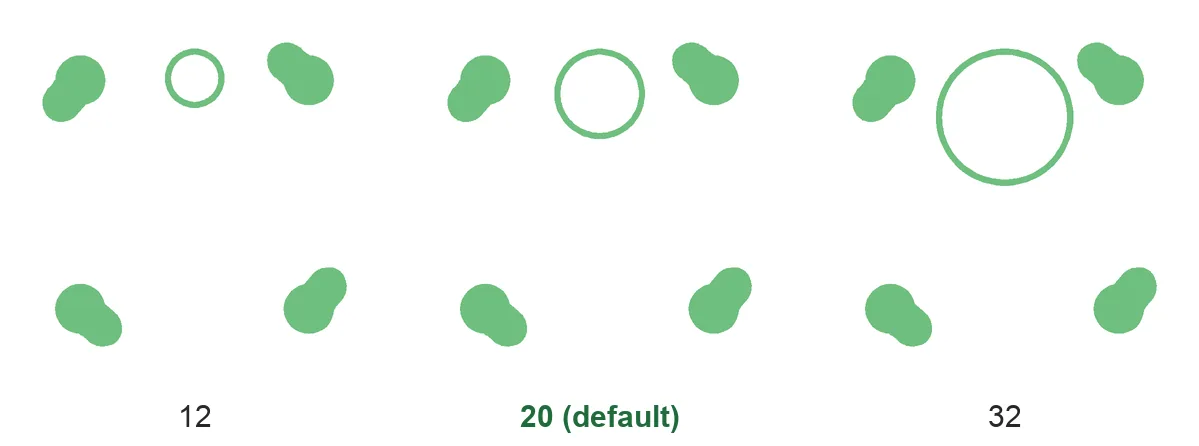
A stackable moss pole for climbing plants. Change the settings and the model renders again.
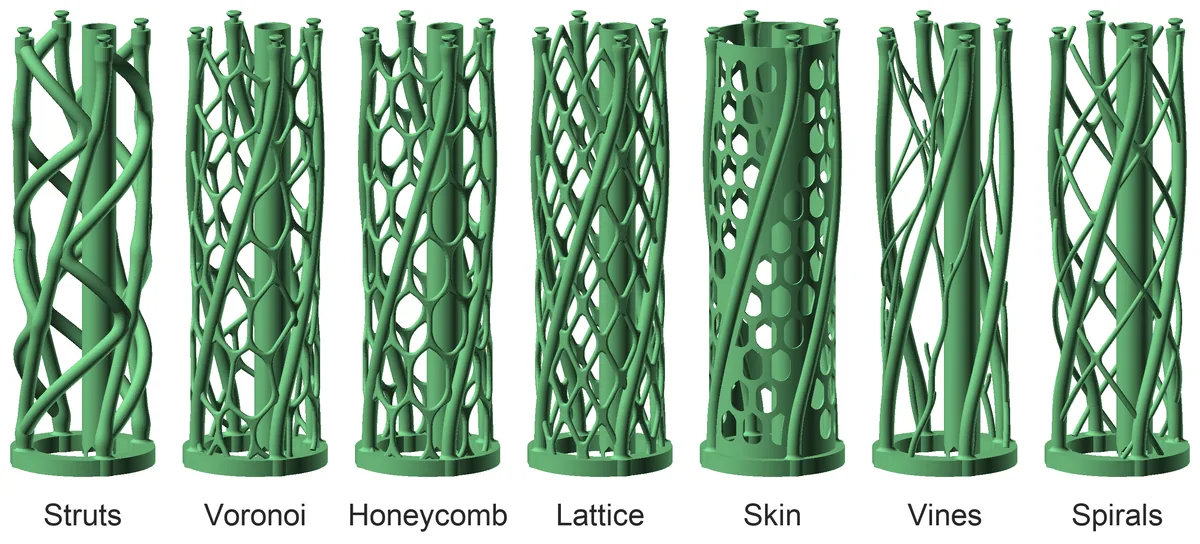
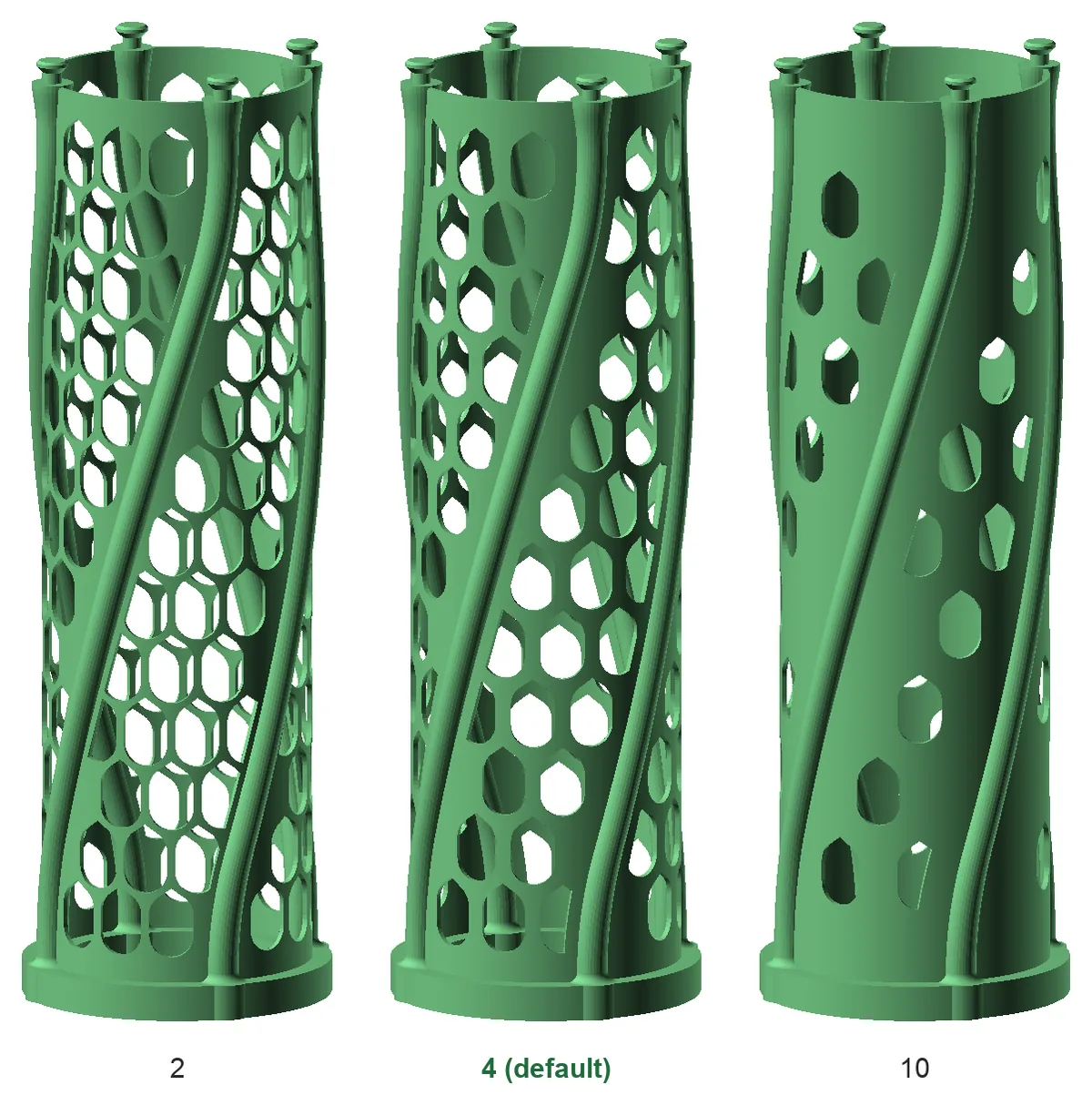
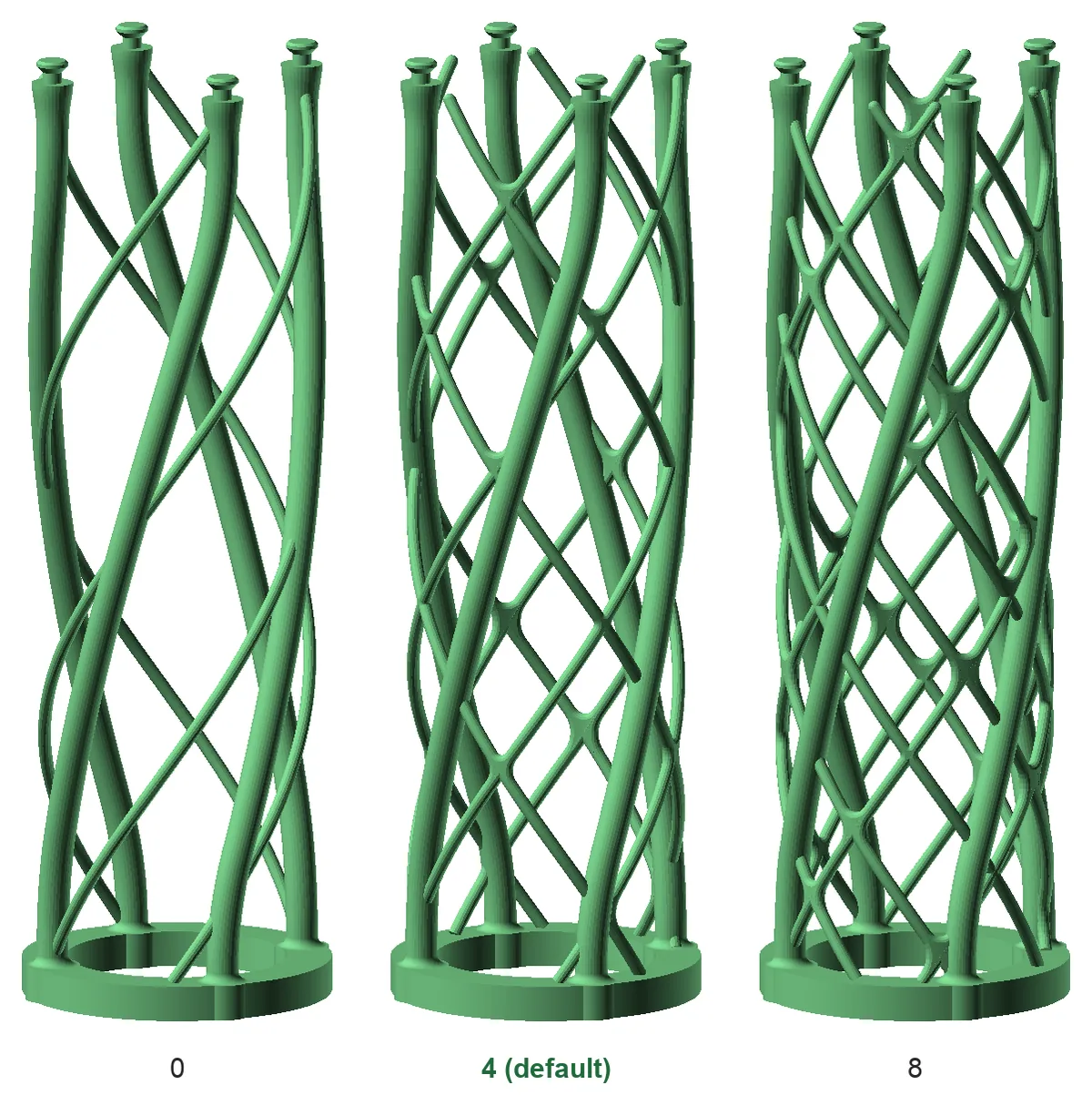
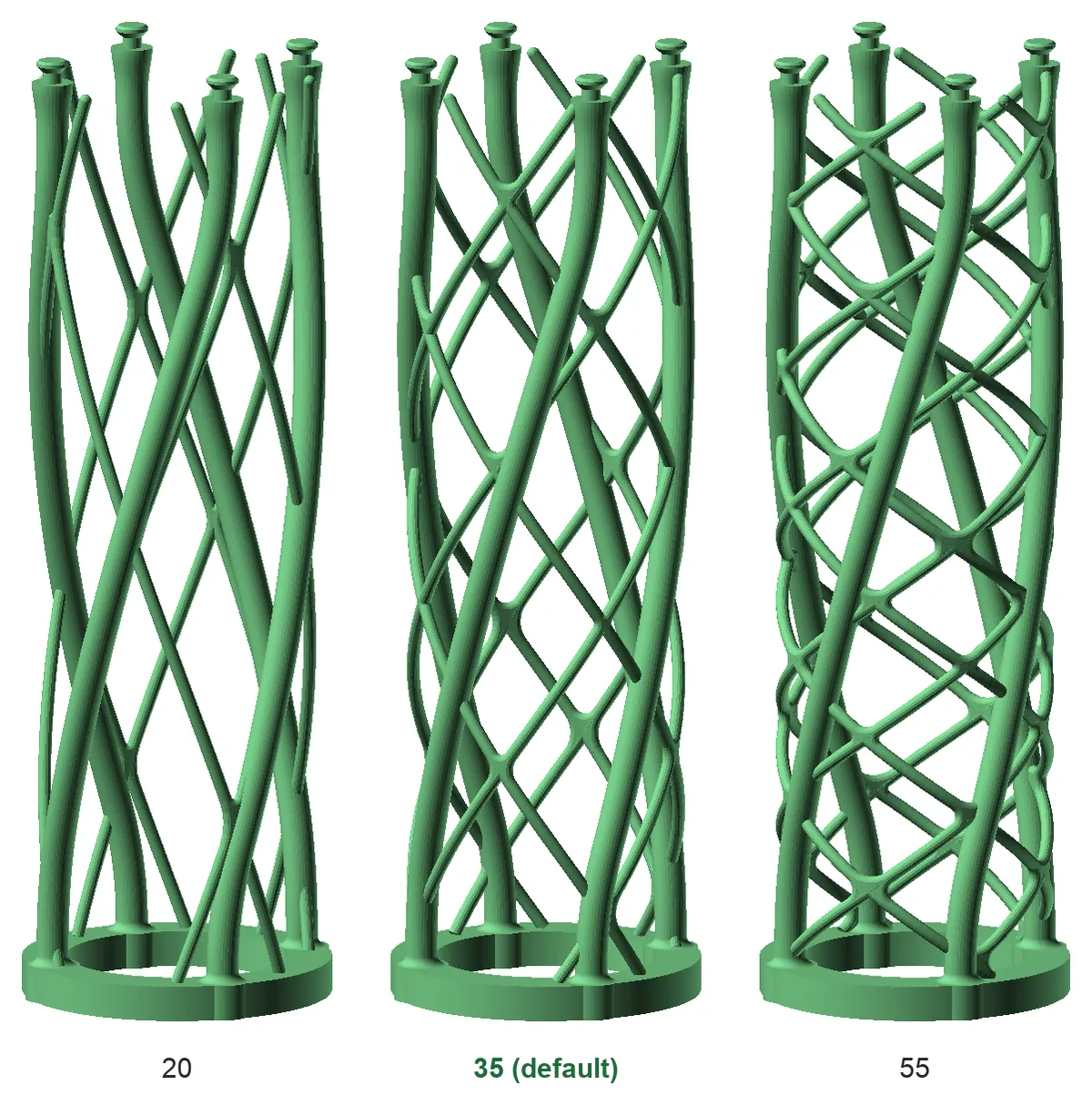
Web. What joins the poles: zigzag struts; a web of cells, scattered like a Voronoi diagram, regular like a honeycomb, or diamonds like a trellis; a skin with holes; branching vines; or spirals winding both ways. Or, the same for every web, a short test piece of the bayonet: the ring, short straight poles and heads; or the top ring, which locks onto the heads of the topmost moss pole and closes it off.
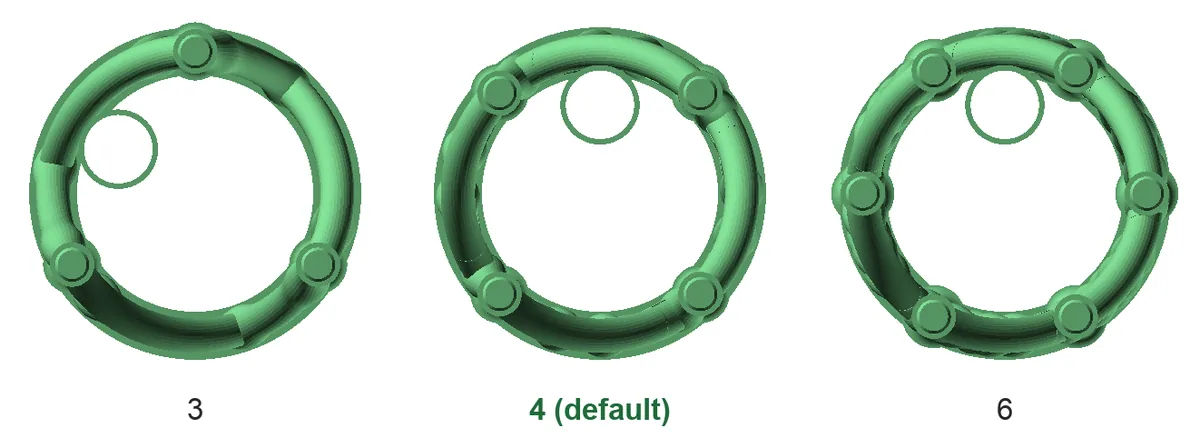
Pole count. Number of poles: 3 for a triangle, 4 for a square, and so on.
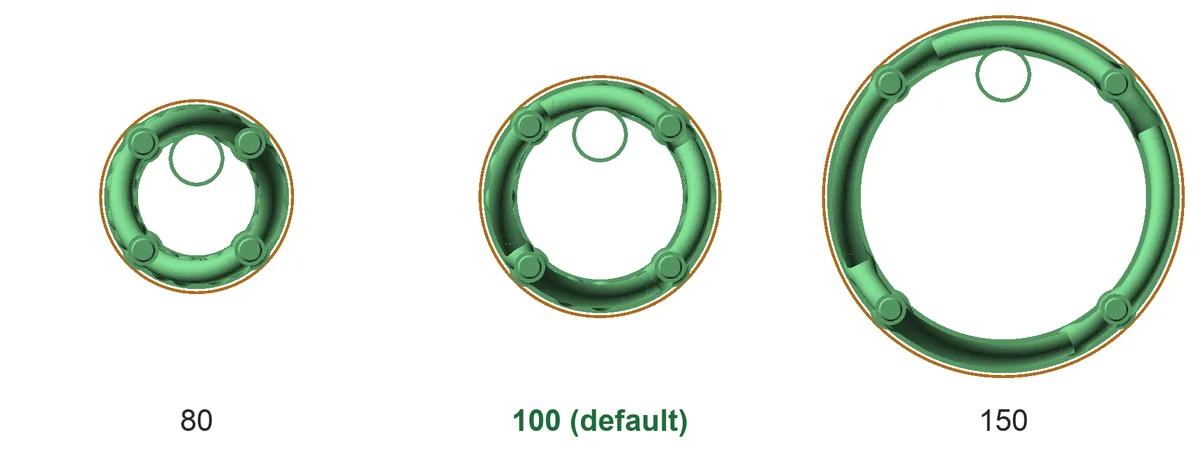
Fit. Everything fits inside a circle this wide.
Pole height. Overall height, heads included.
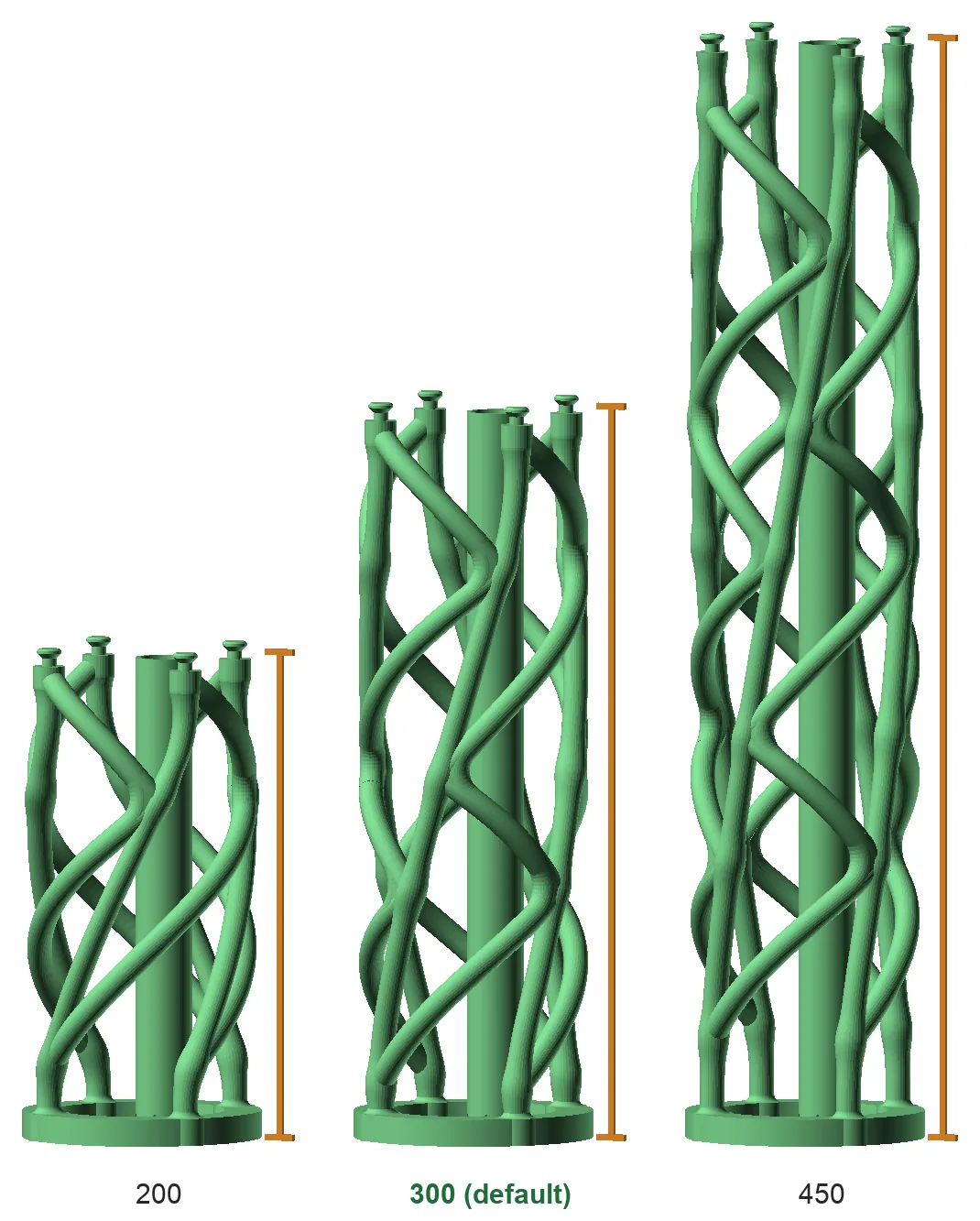
Pole base. Pole diameter at the base.
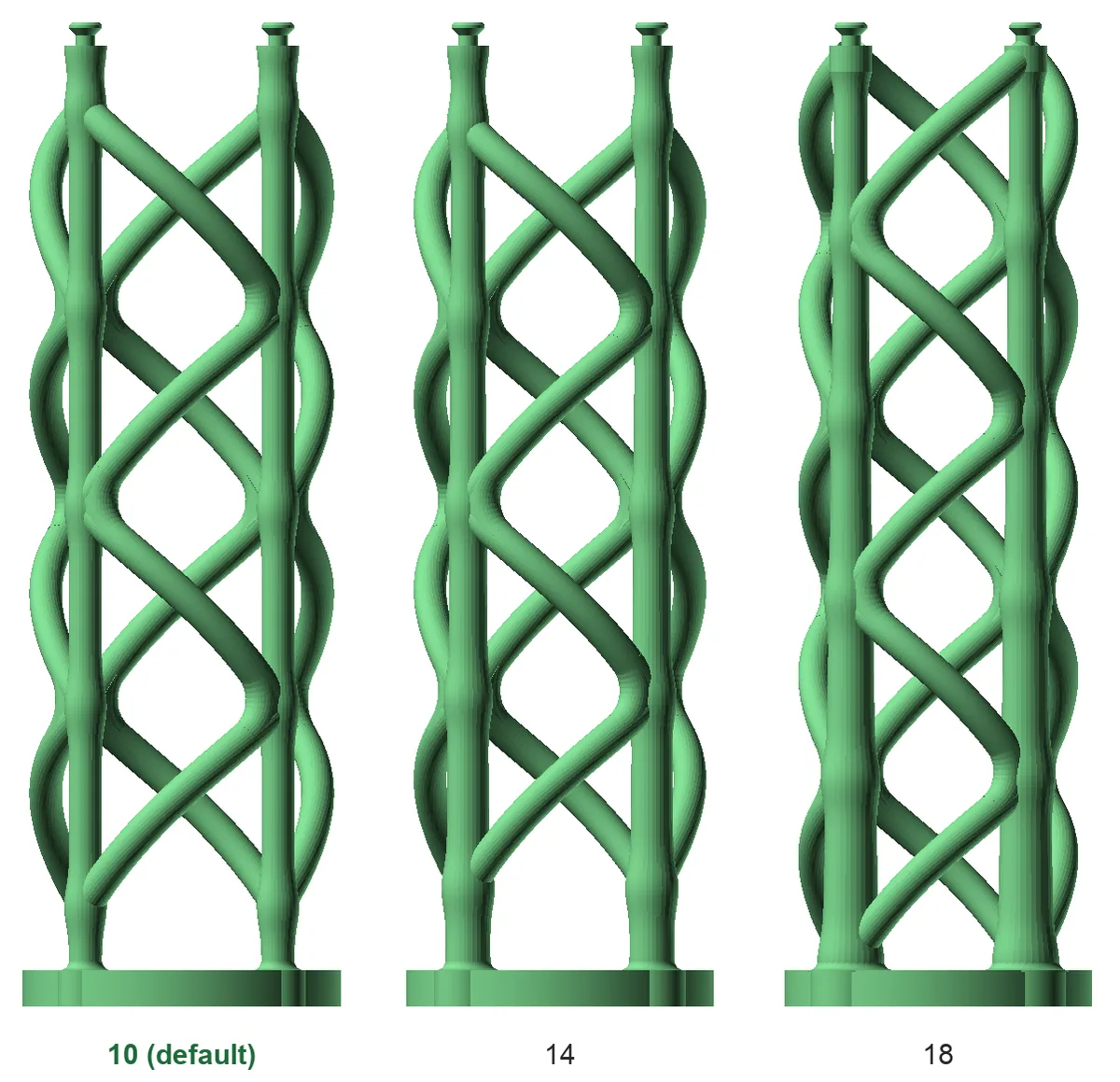
Pole top. Pole diameter at the top; below the base for a taper.
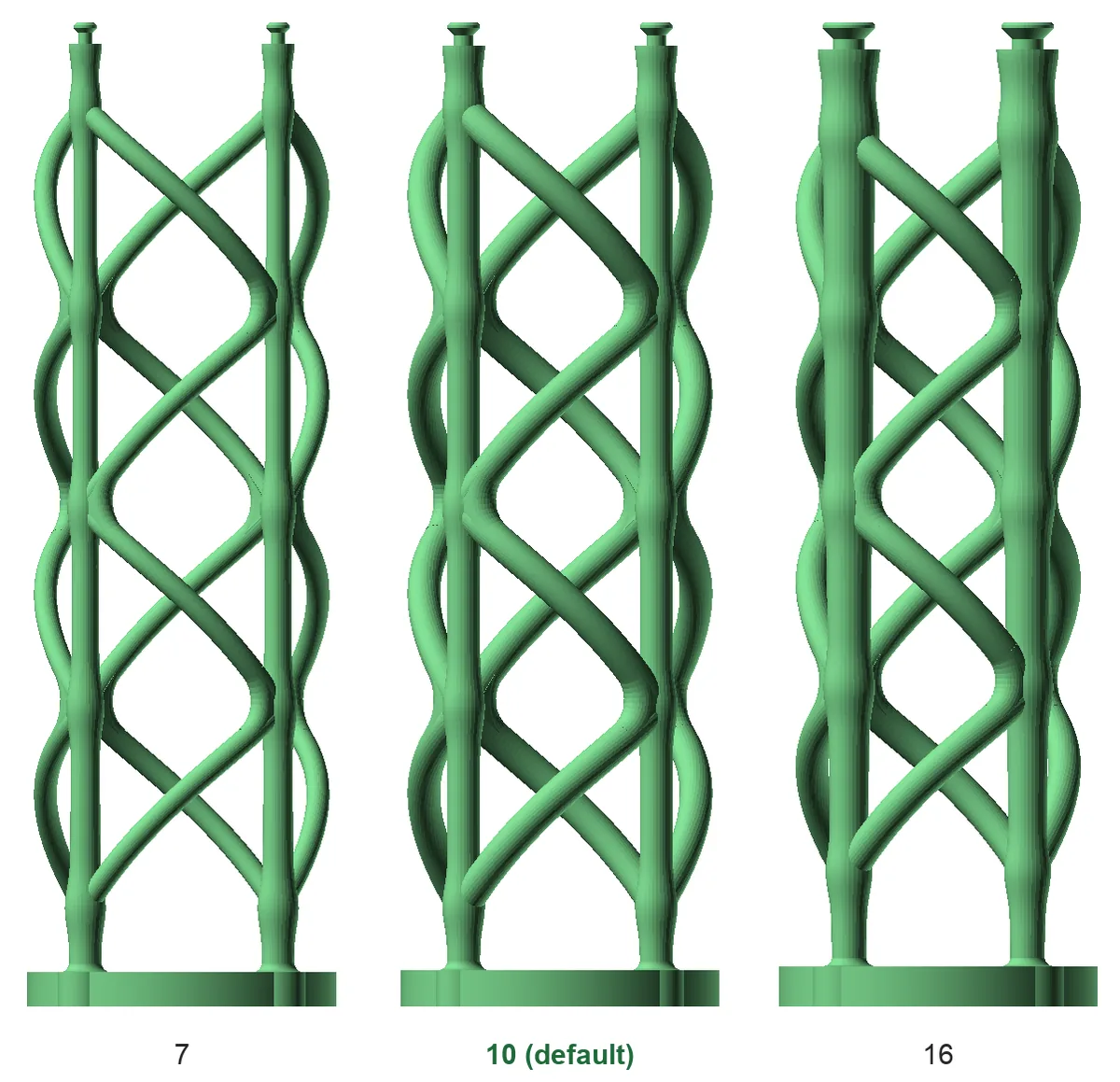
Twist. How far the poles turn around the centre between their ends, in steps of 360 / pole_count, so that each head comes back over a pole's place: positive anticlockwise seen from above, negative clockwise, 0 for straight poles. Every web but the struts stays still.
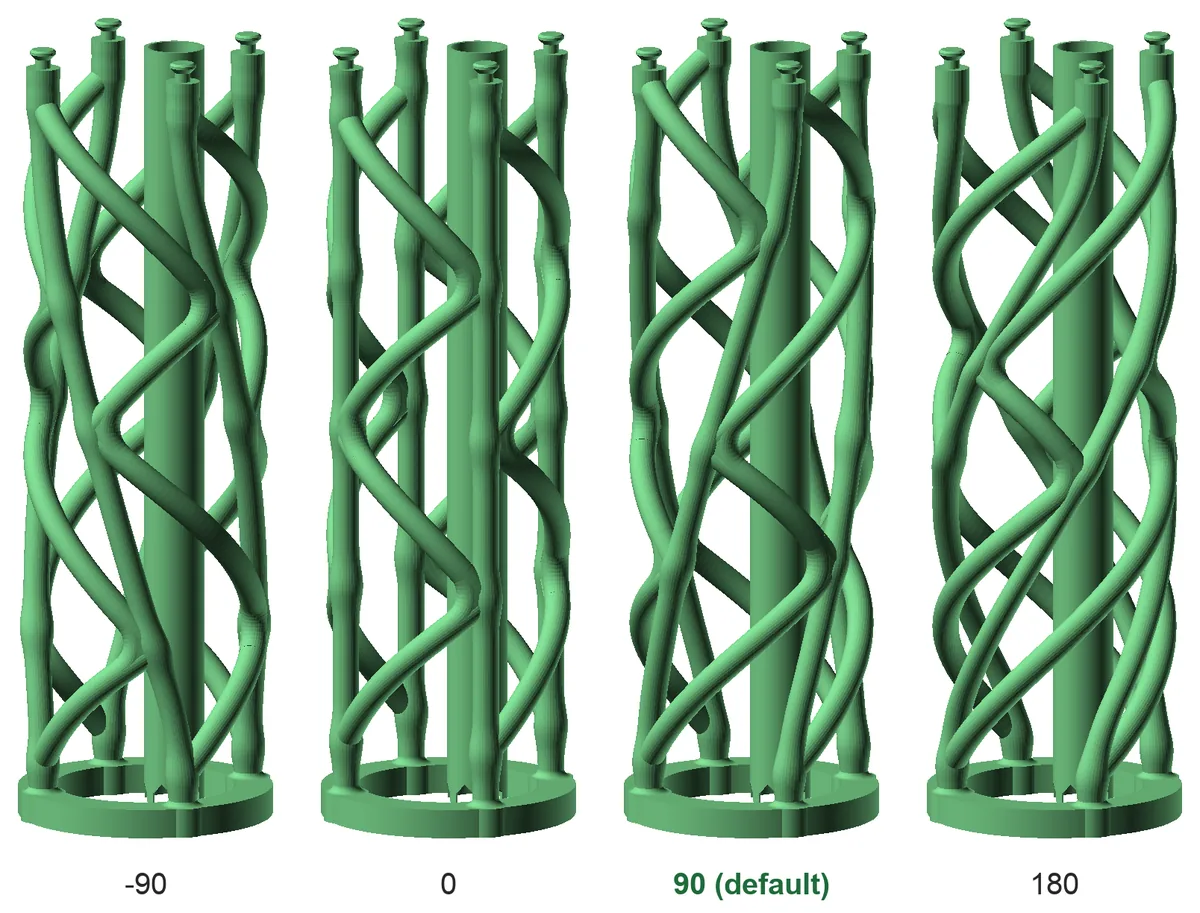
Node swell. Extra pole radius at the shoulders, where the moss pole above sits, and at each strut joint.
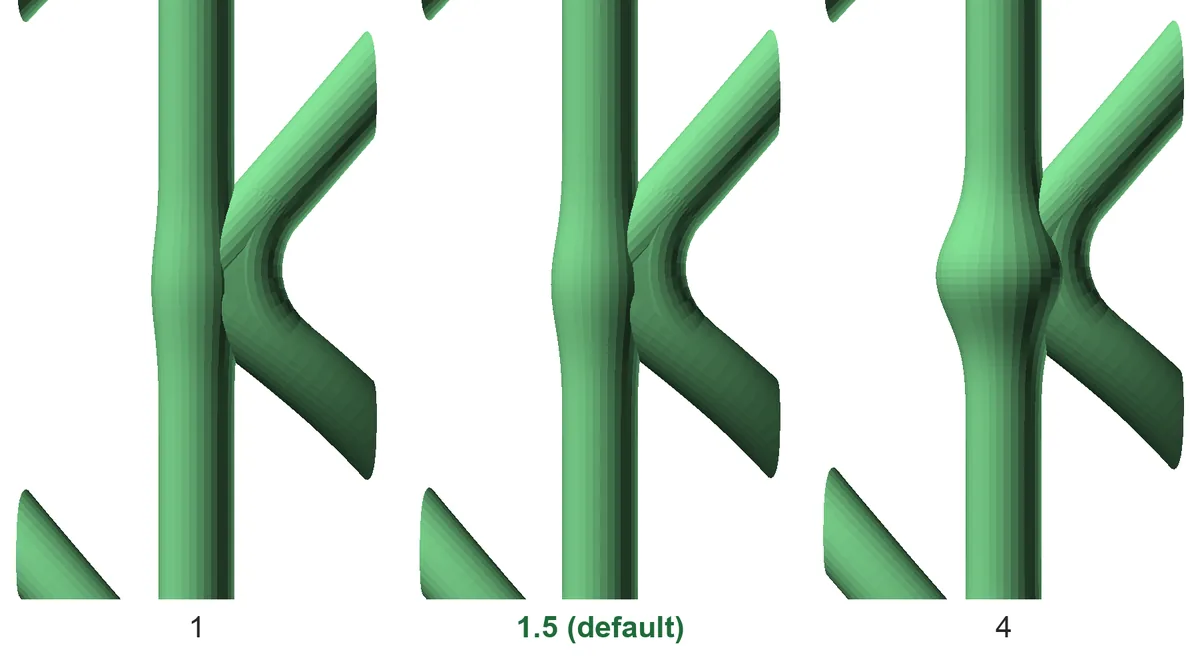
Node length. Length of each swelling.
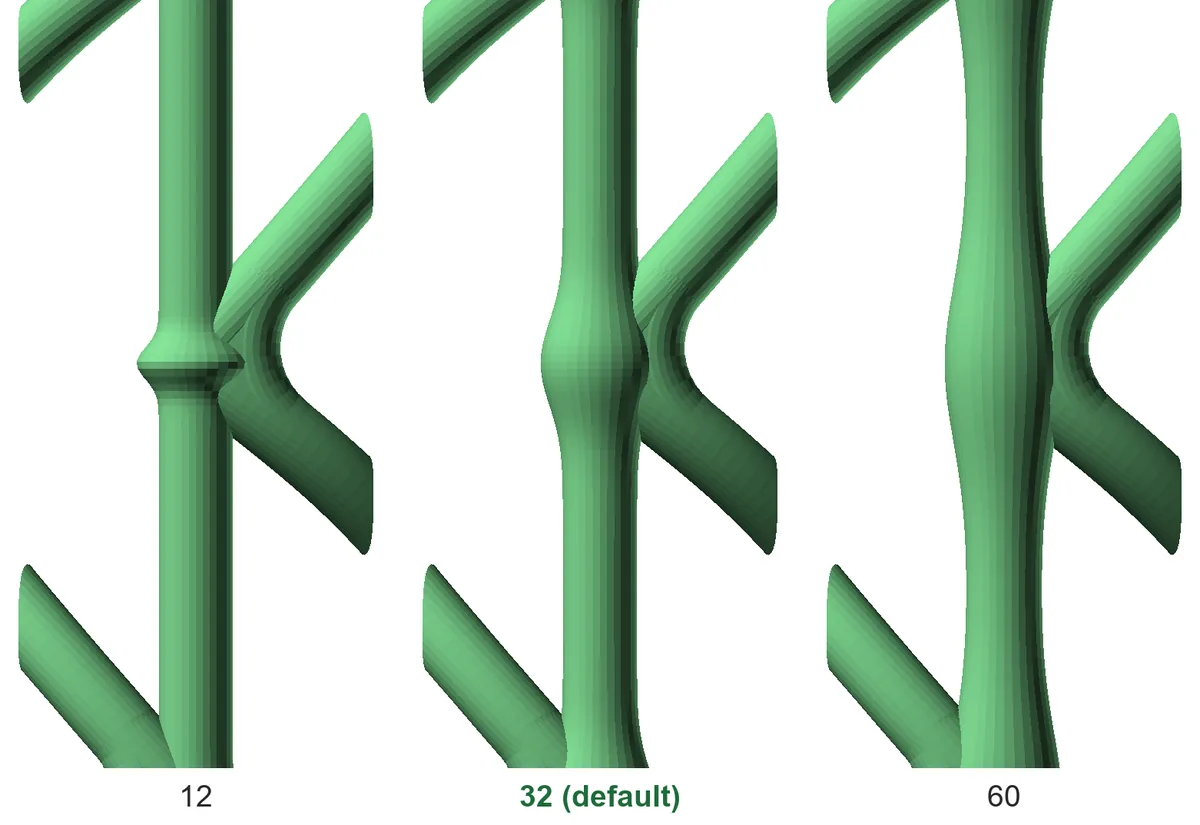
Pole flare. How far along a strut or rib it widens into the poles, to meet them with their full diameter, like a fillet; 0 for none.
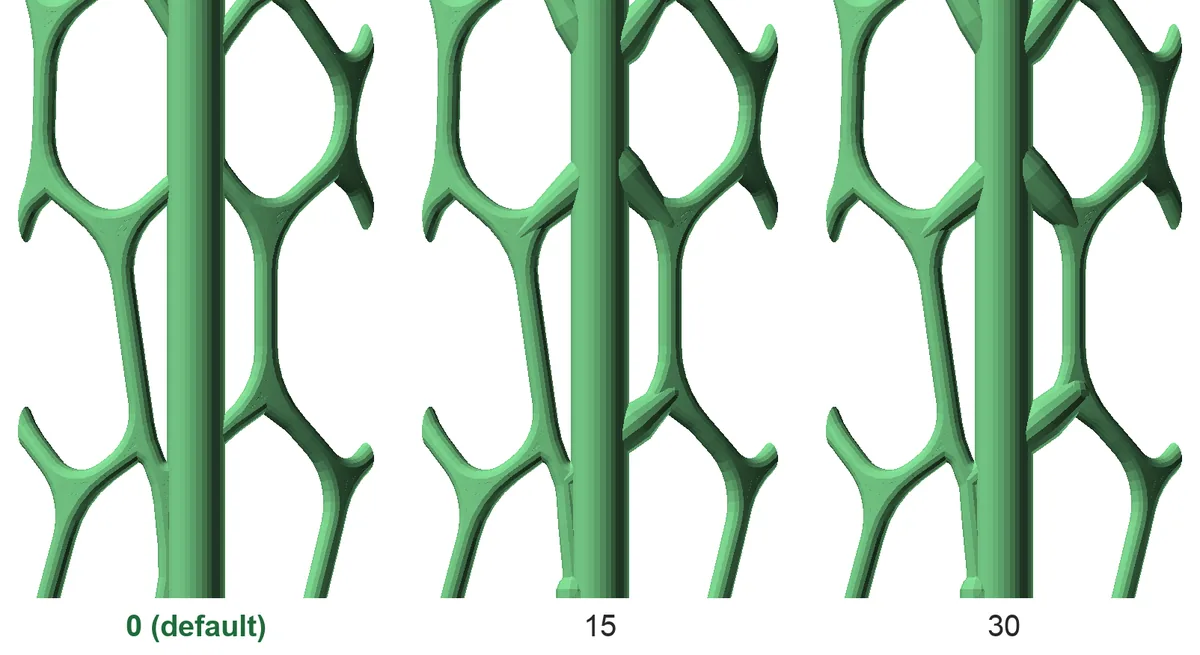
Strut angle. Angle between the struts and the vertical, along their arc.
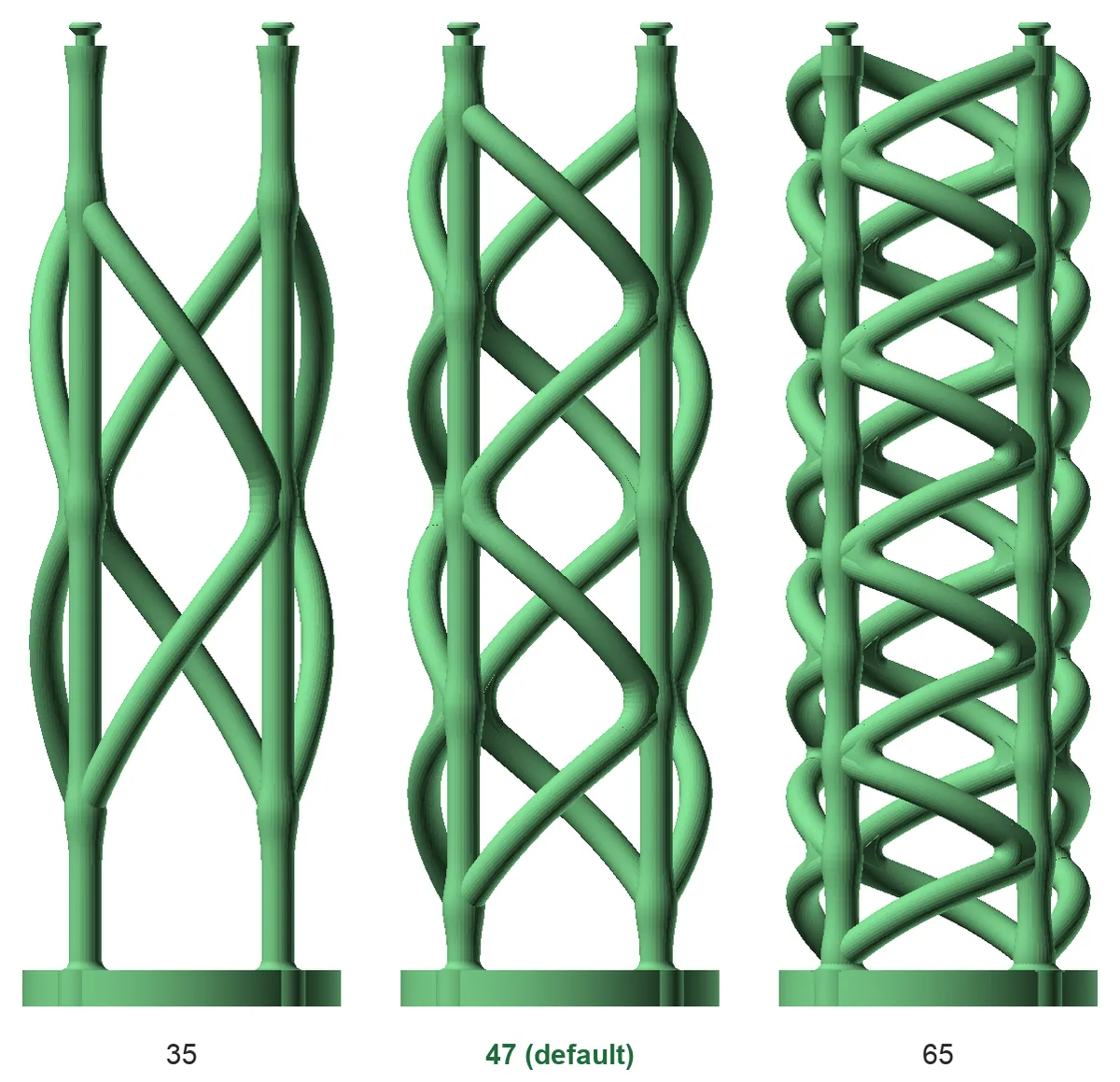
Strut bow. Bow of each strut at mid-span, along the pole circle.

Joint fillet. Fillet radius where struts meet the poles; only keeps the struts clear of the ring above here.
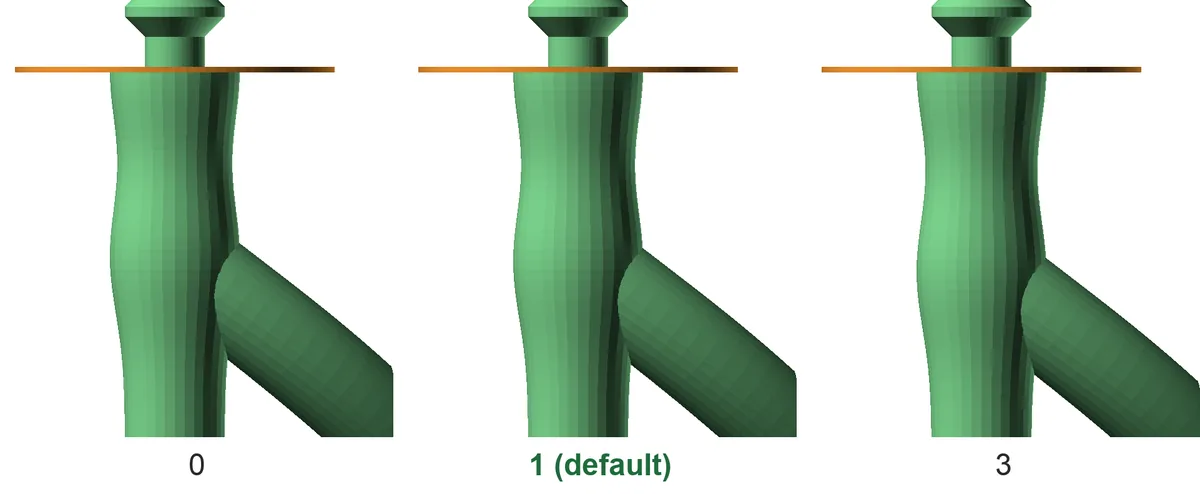
Strut fillet. How far the rounding between two struts where they meet at a pole reaches along each; 0 for none.
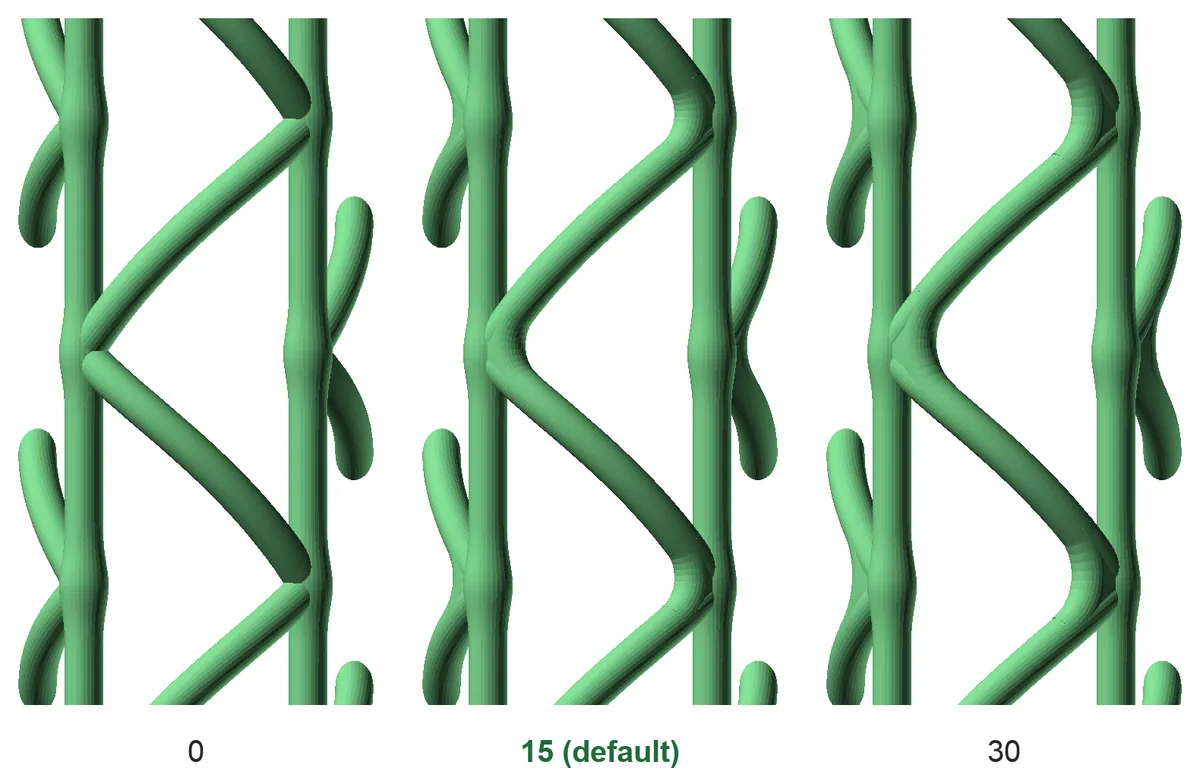
Cell width. Width of a cell around the pole circle, roughly: it is adjusted so that a whole number of cells goes round.
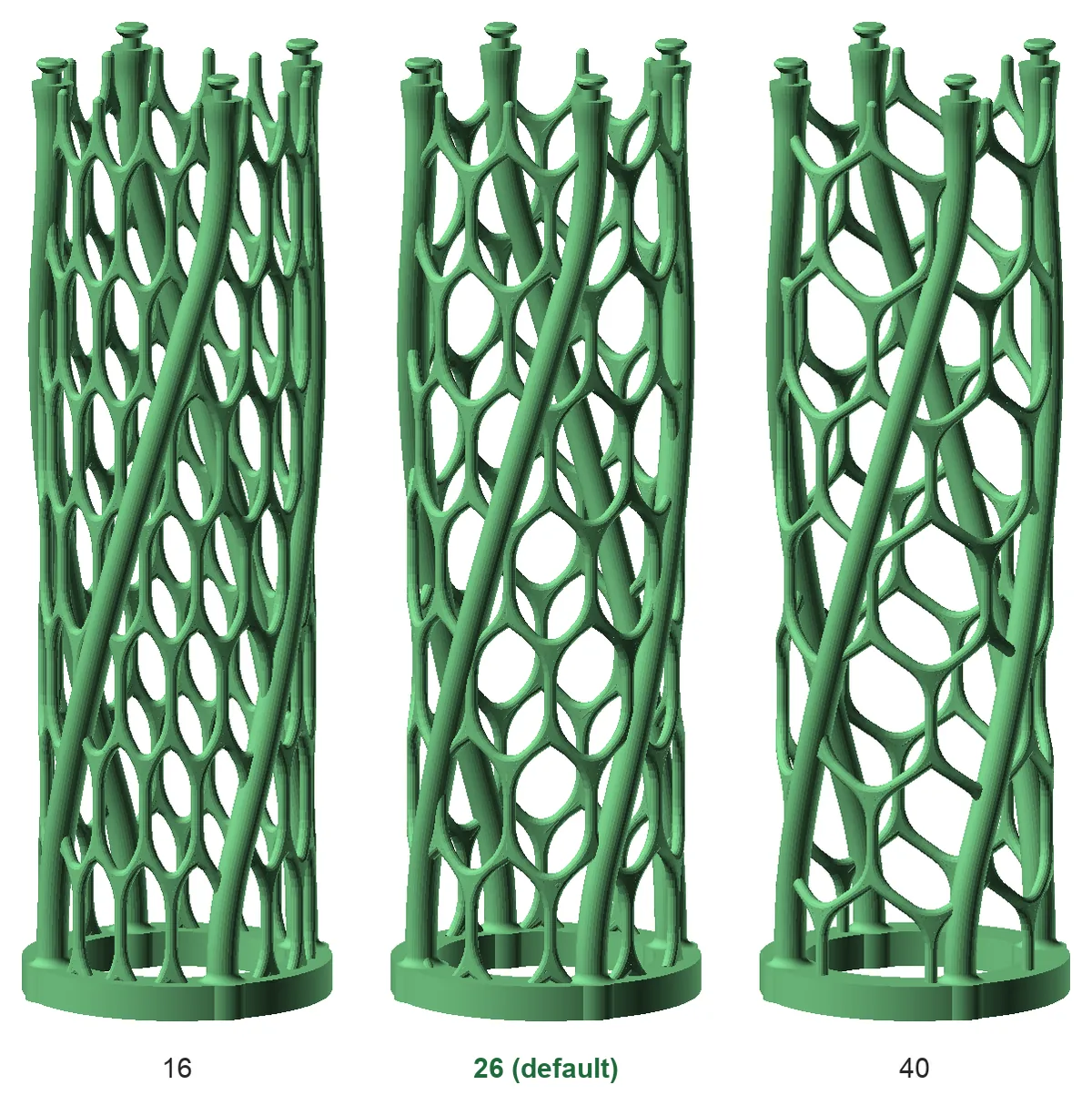
Cell height. Height of a cell; taller cells have steeper ribs, and cells too low for the overhang are made taller.
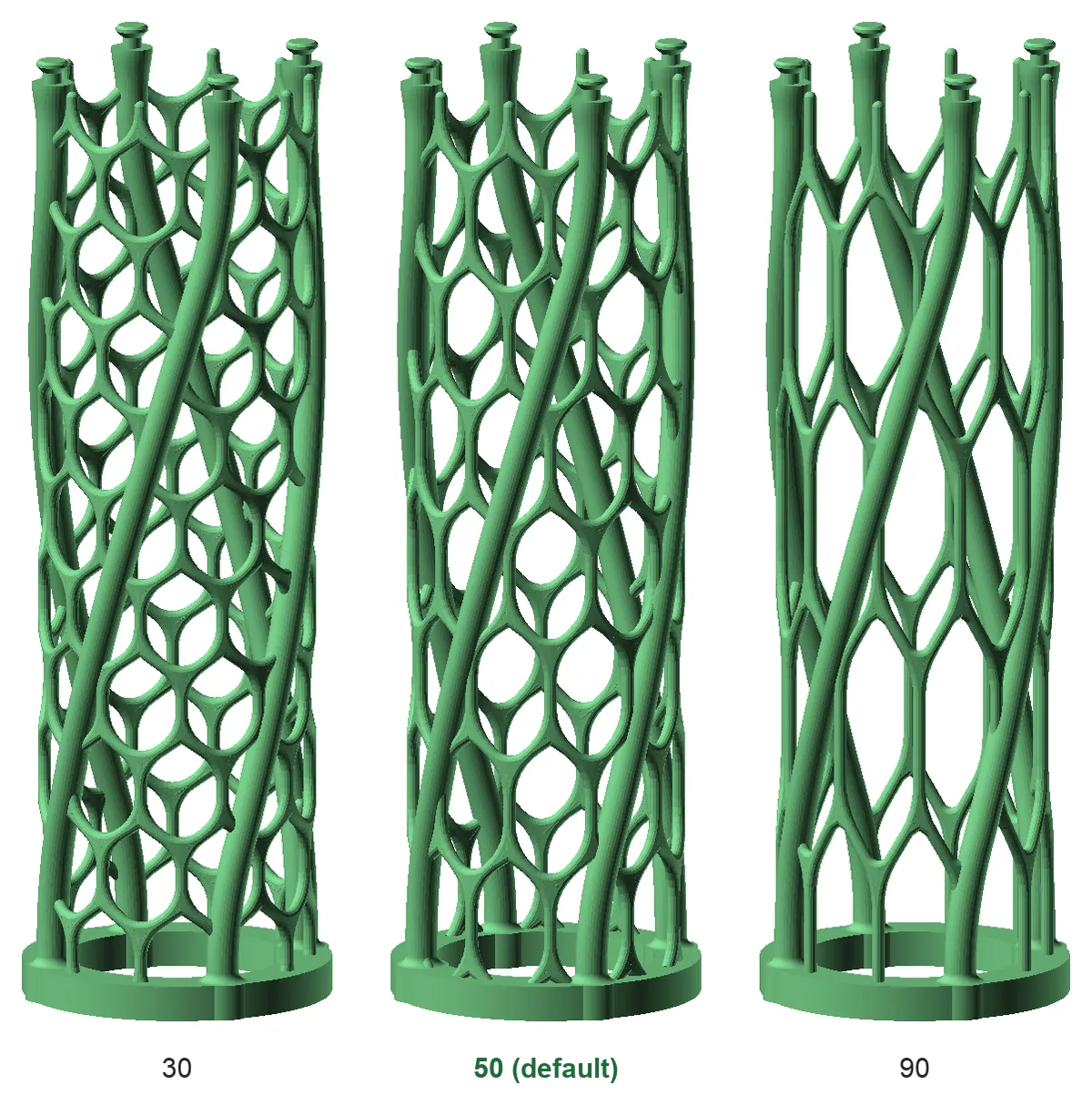
Irregularity. How far the cells stray from a regular honeycomb (0 makes it one), or the spirals from even spacing.
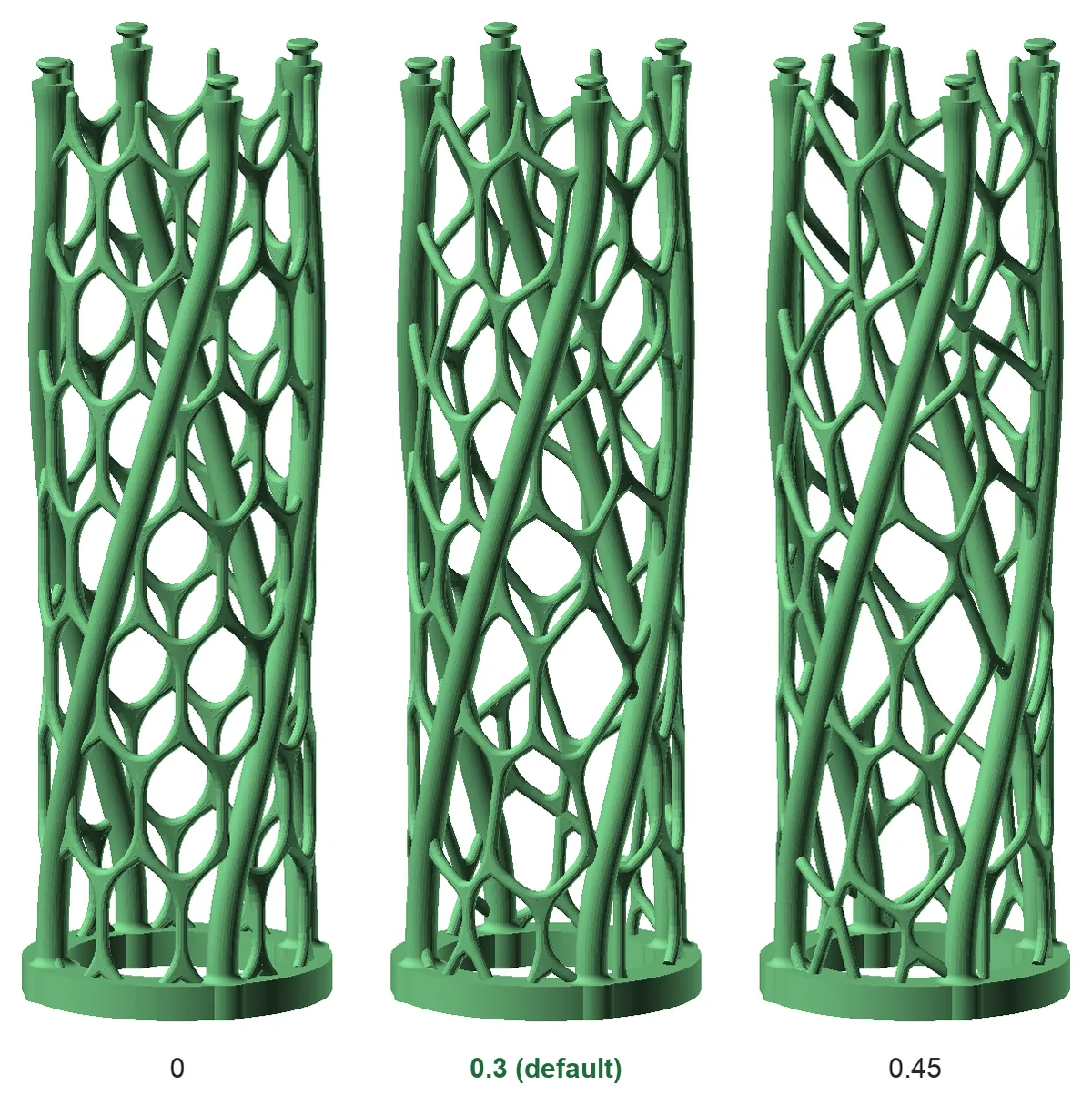
Pattern. Which random pattern scatters the cells or the spirals, or grows the vines.
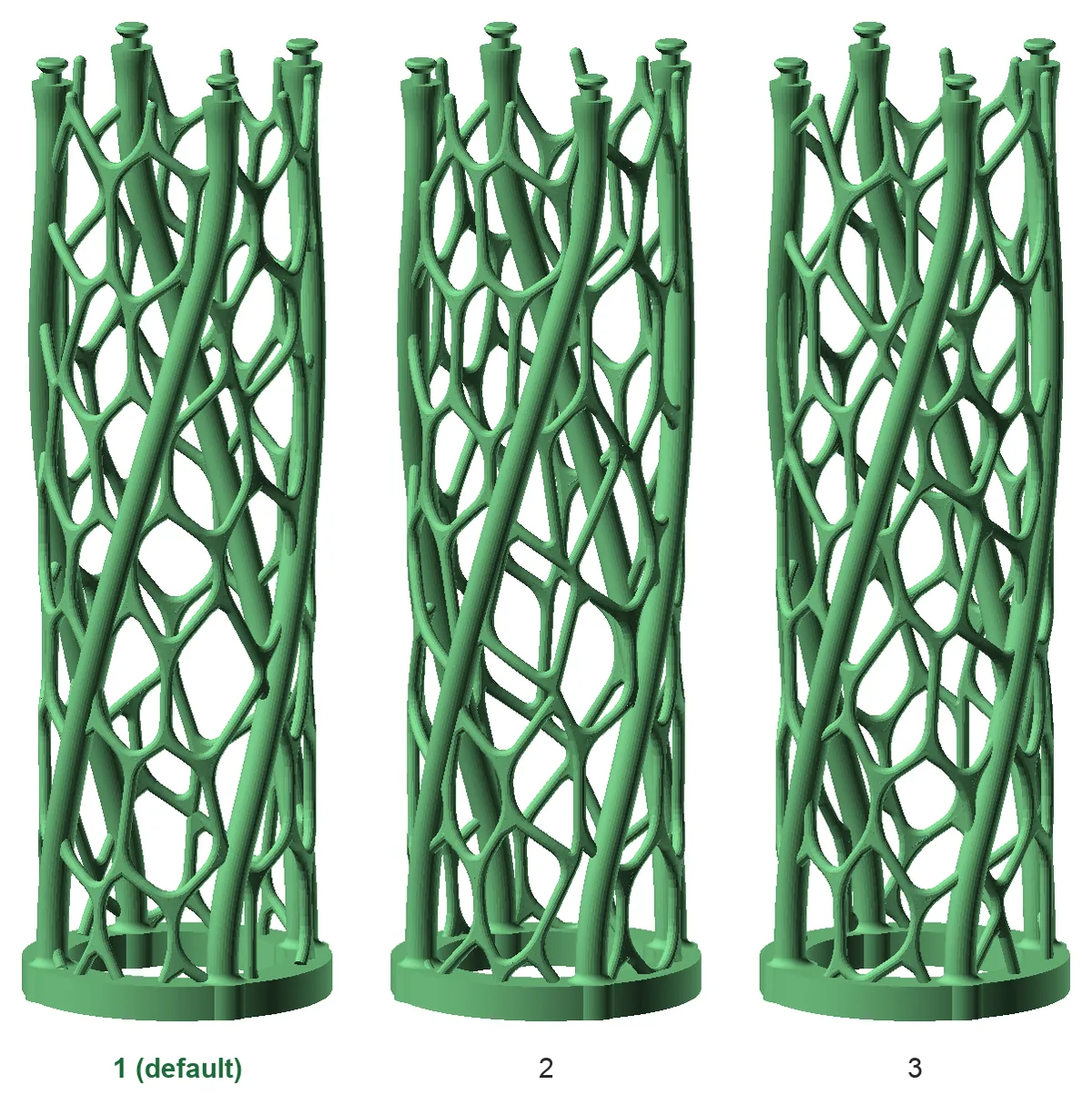
Rib. Diameter of the ribs, or of the vines.
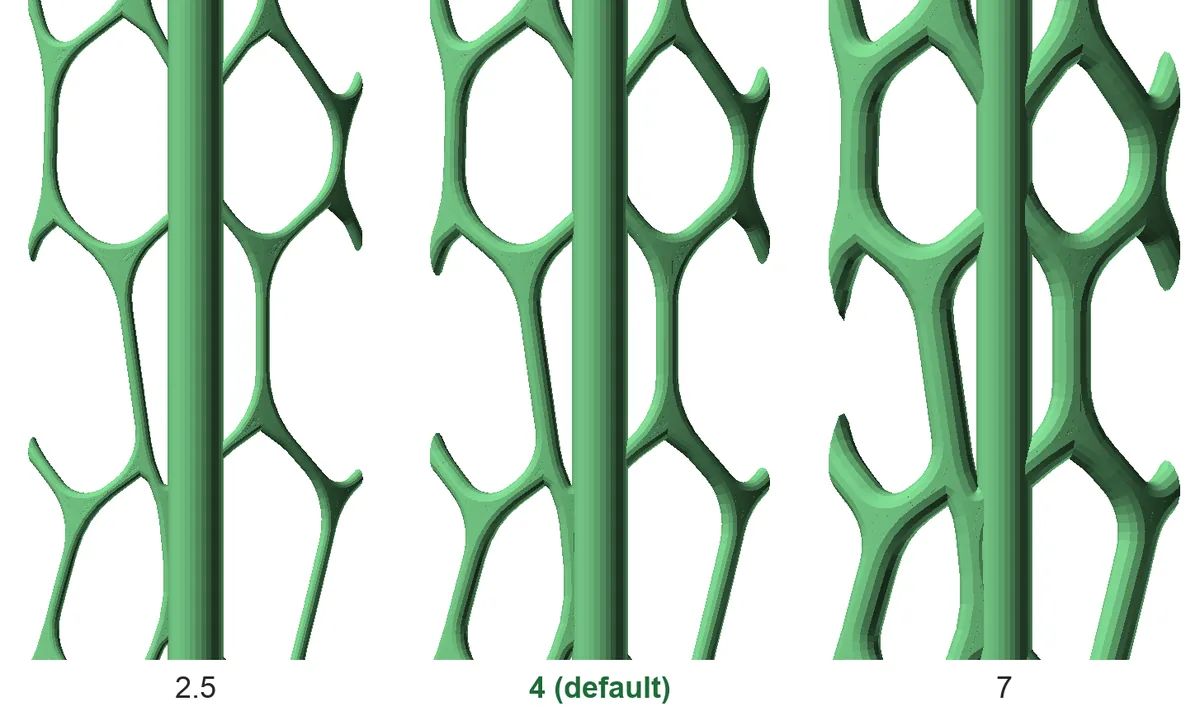
Fillet reach. How far the rounding of the corners between ribs or vines reaches along each; less on short ribs, so the radius follows the corner's angle and room.
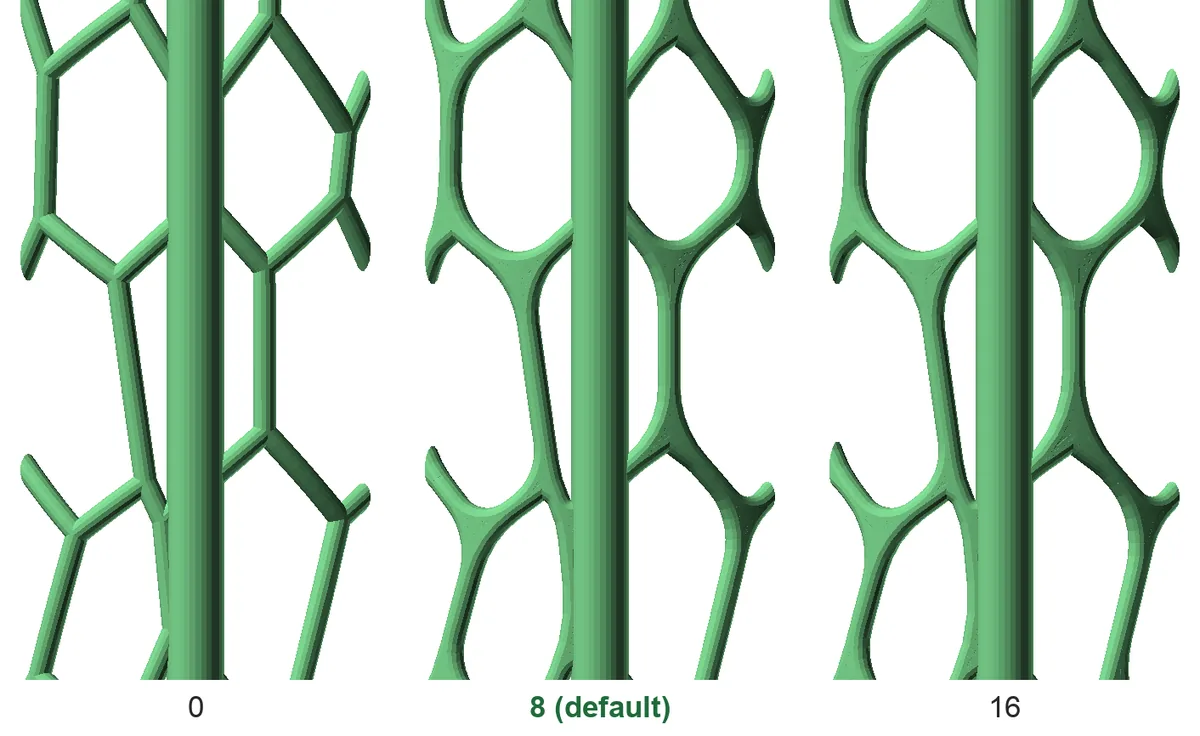
Web overhang. Steepest overhang a rib or the top of a hole may have, from the vertical; the corners of flatter cells move apart up and down.
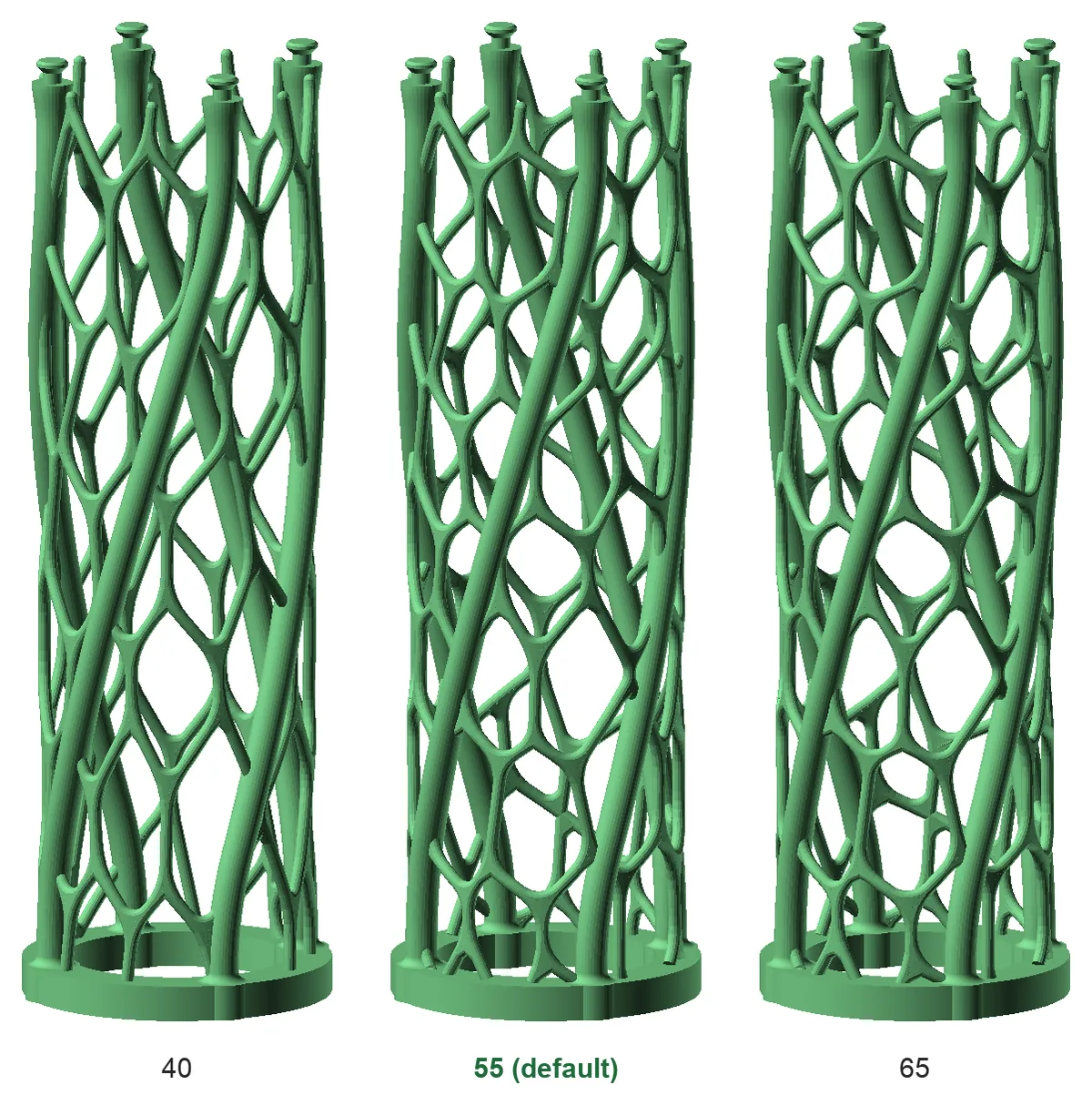
Skin thickness. Thickness of the skin.
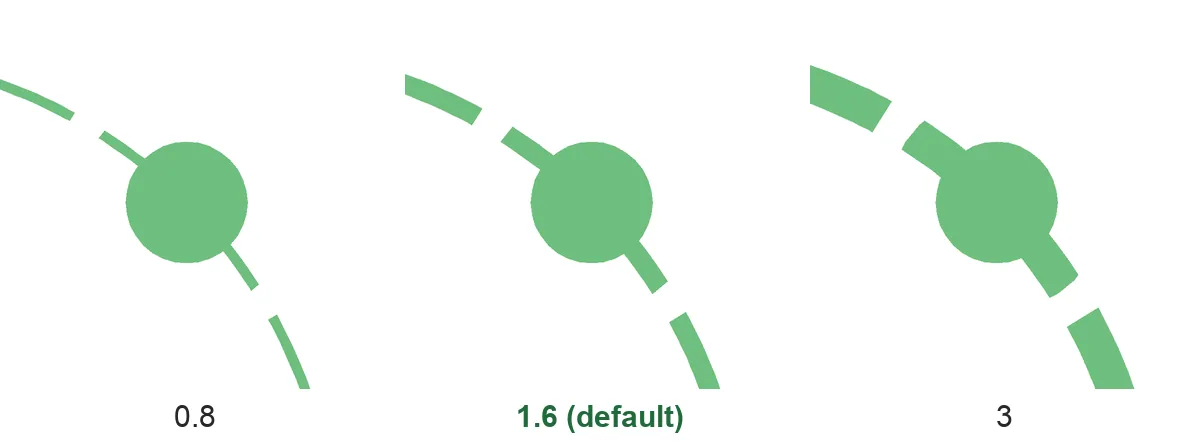
Hole width. Width of the holes in the skin.
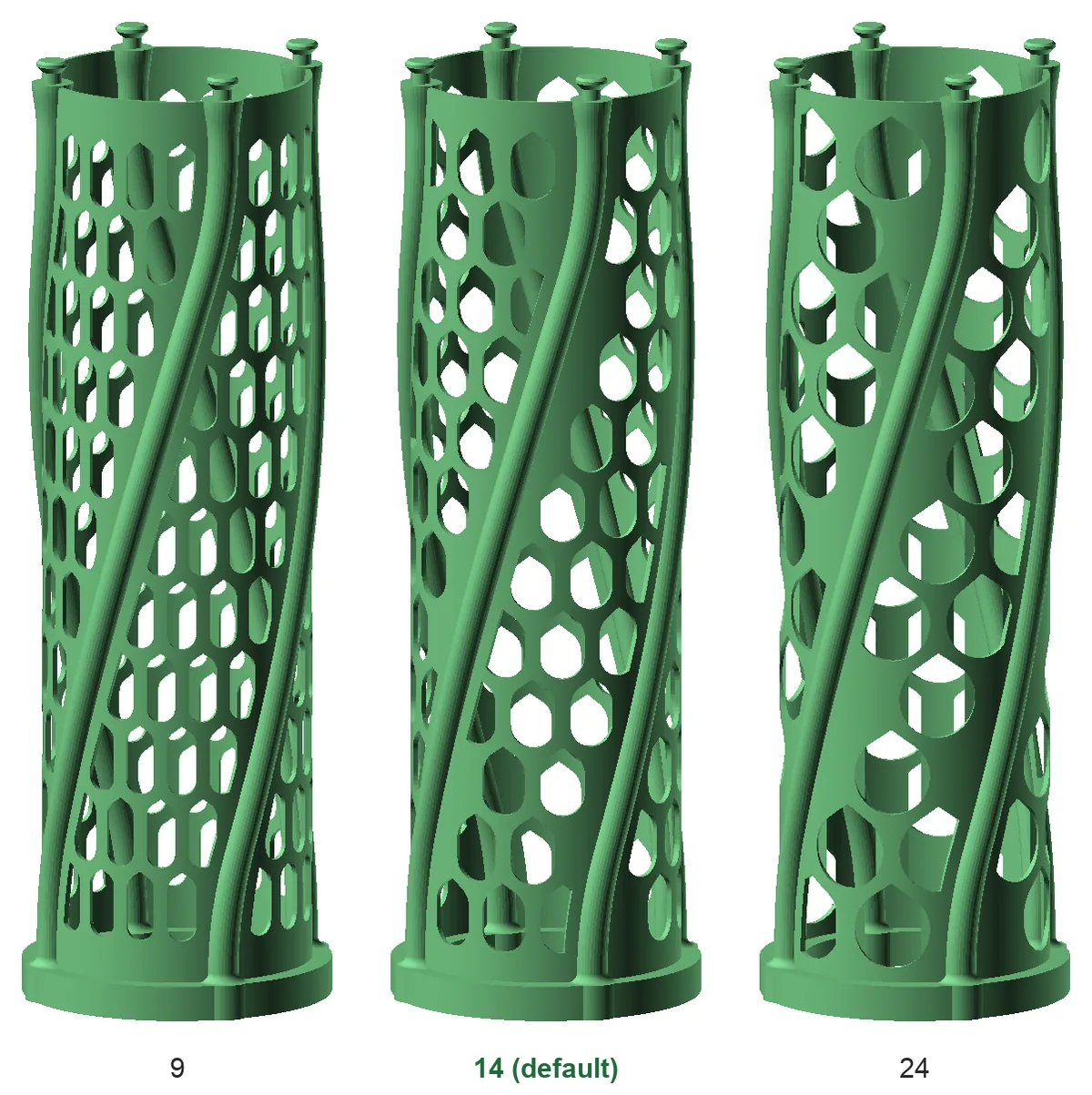
Hole height. Height of the holes, from their round bottom to their pointed top; holes too short for their point are made taller.
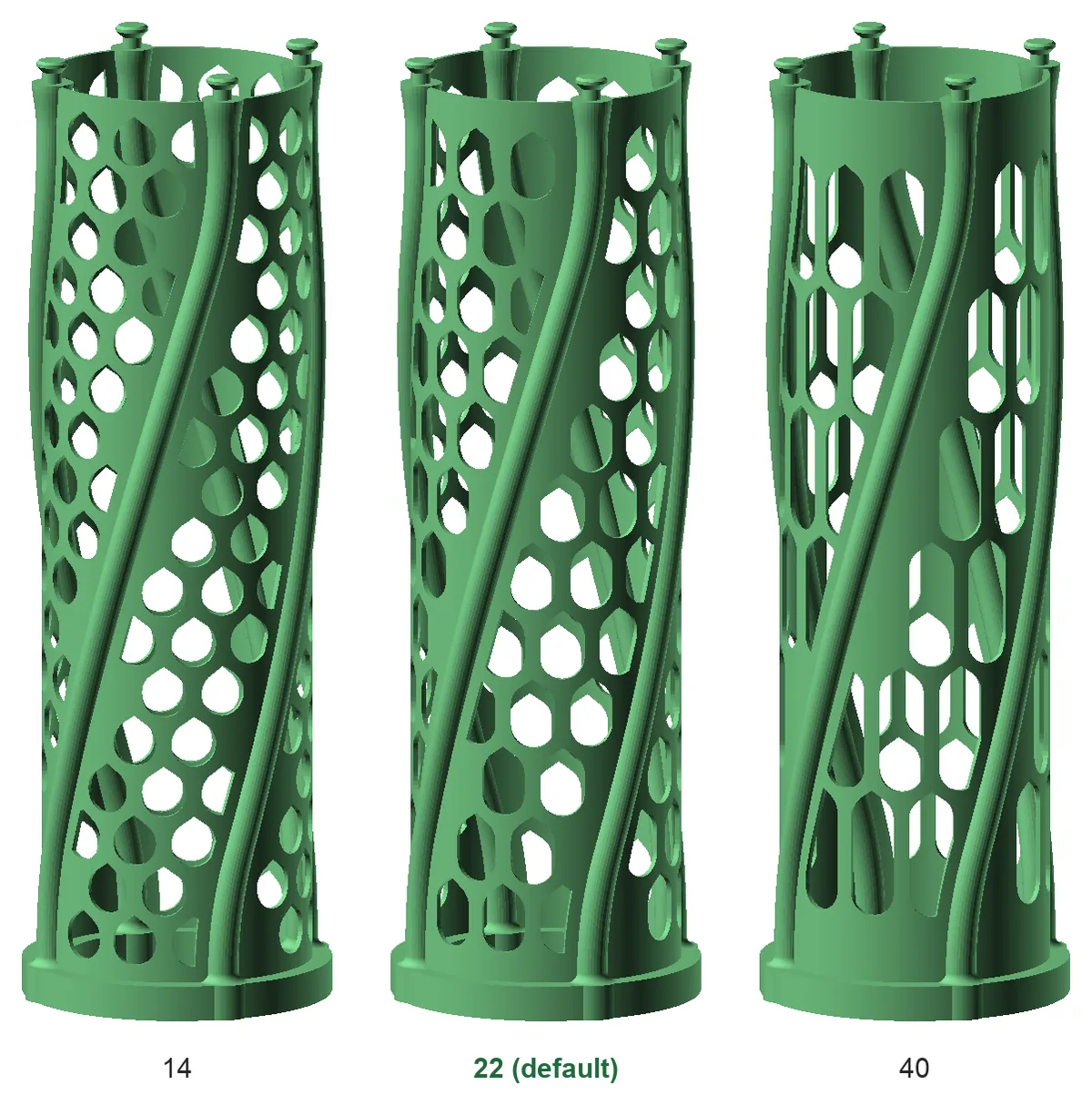
Hole land. Skin left between the holes, at least.
Spirals cw. Spirals that wind clockwise, seen from above, as they rise.
Spirals ccw. Spirals that wind anticlockwise as they rise.
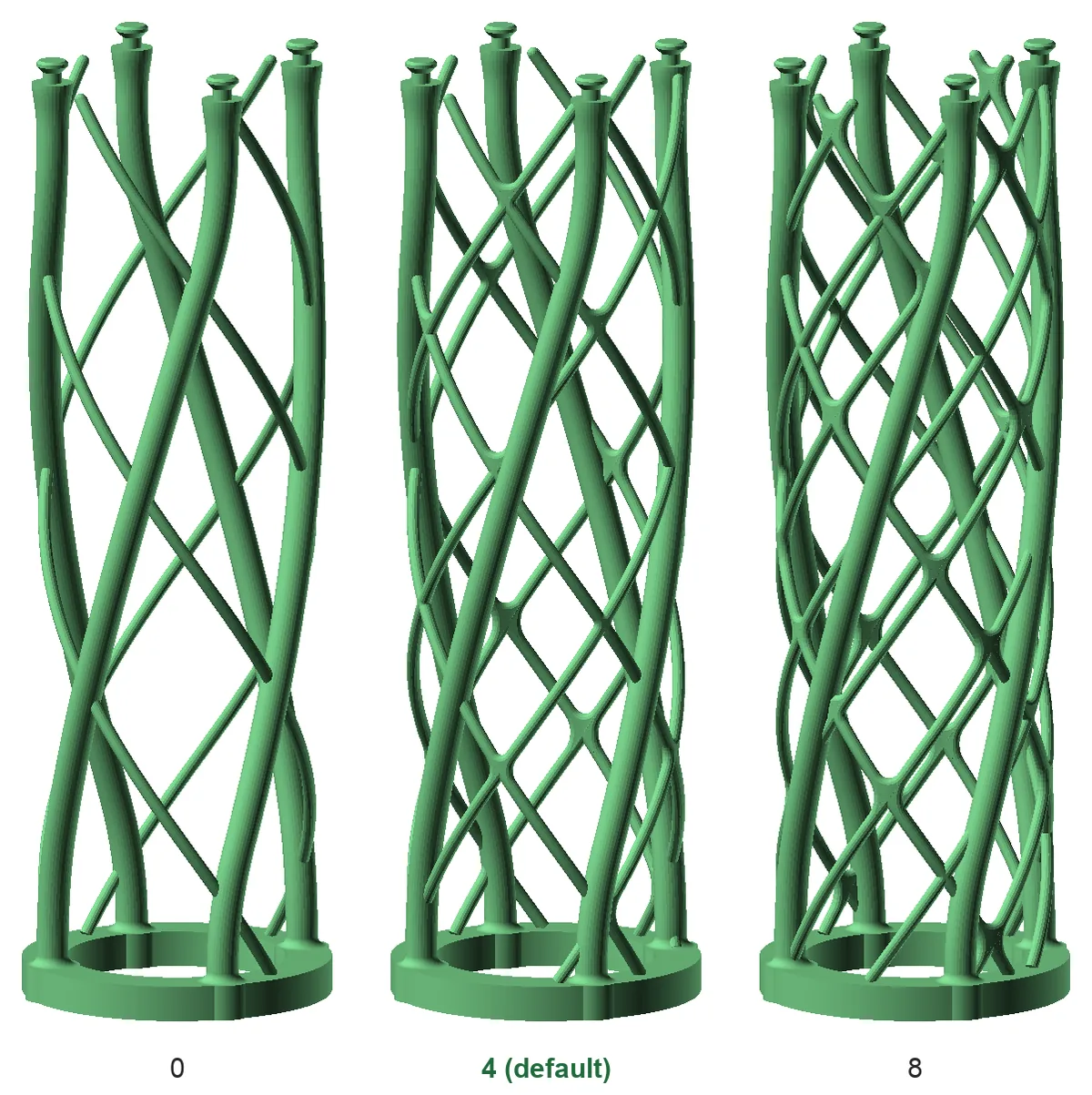
Spiral angle. Angle of the spirals from the vertical; it stays within the overhang.
Spiral rungs cw. Rungs per round that hang from each clockwise spiral straight down to the next spiral below.
Spiral rungs ccw. Rungs per round that hang from each anticlockwise spiral straight down to the next spiral below.
Spiral rungs square. Set the rungs square to their spirals instead of straight up; under spirals flatter than 90 deg less the web overhang, as near square as it allows.
Vine count. Number of vines climbing from the ring.
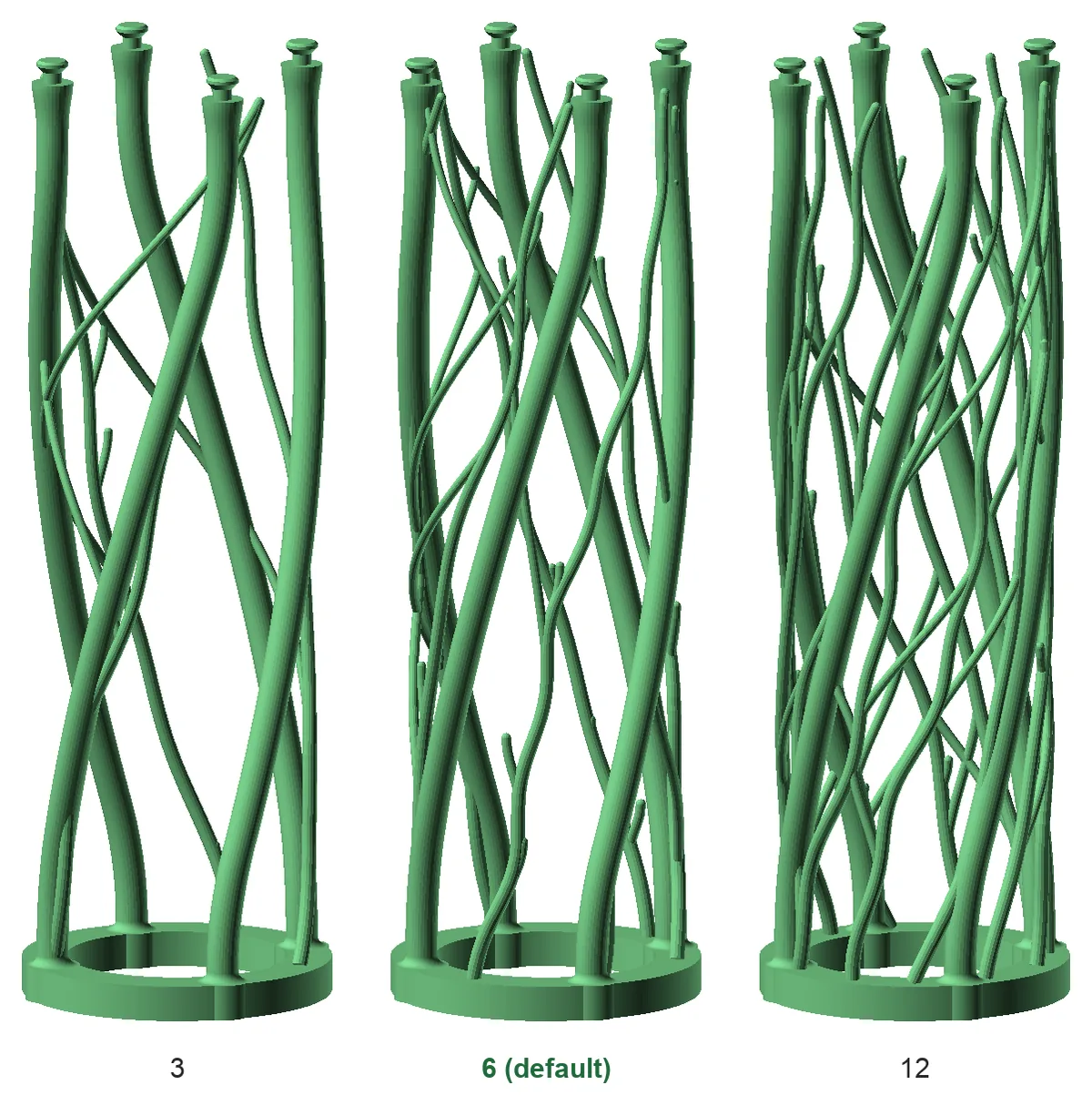
Vine lean. How far the vines lean from the vertical as they climb, winding round the moss pole.
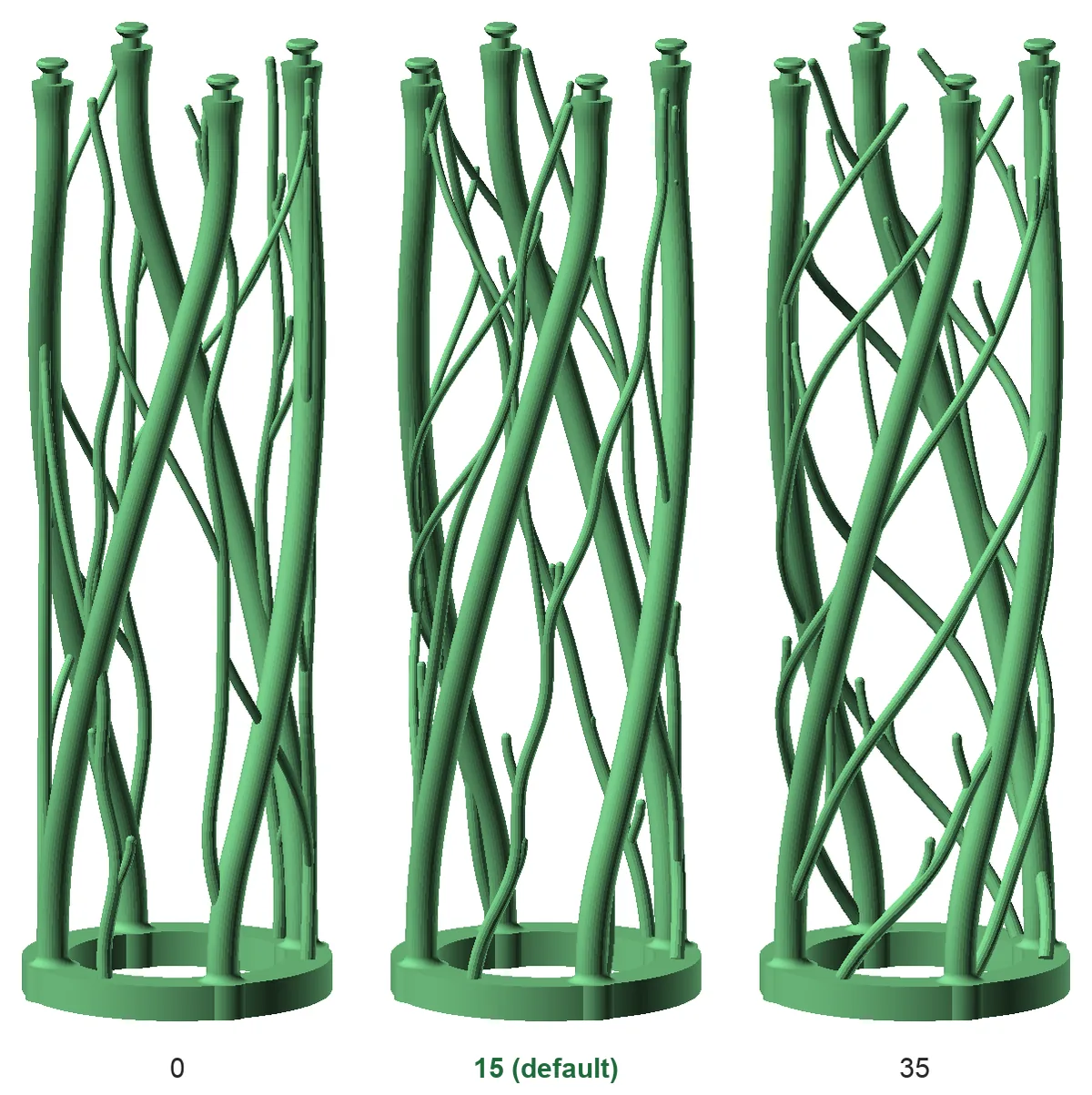
Vine wave. How far the vines meander to either side.
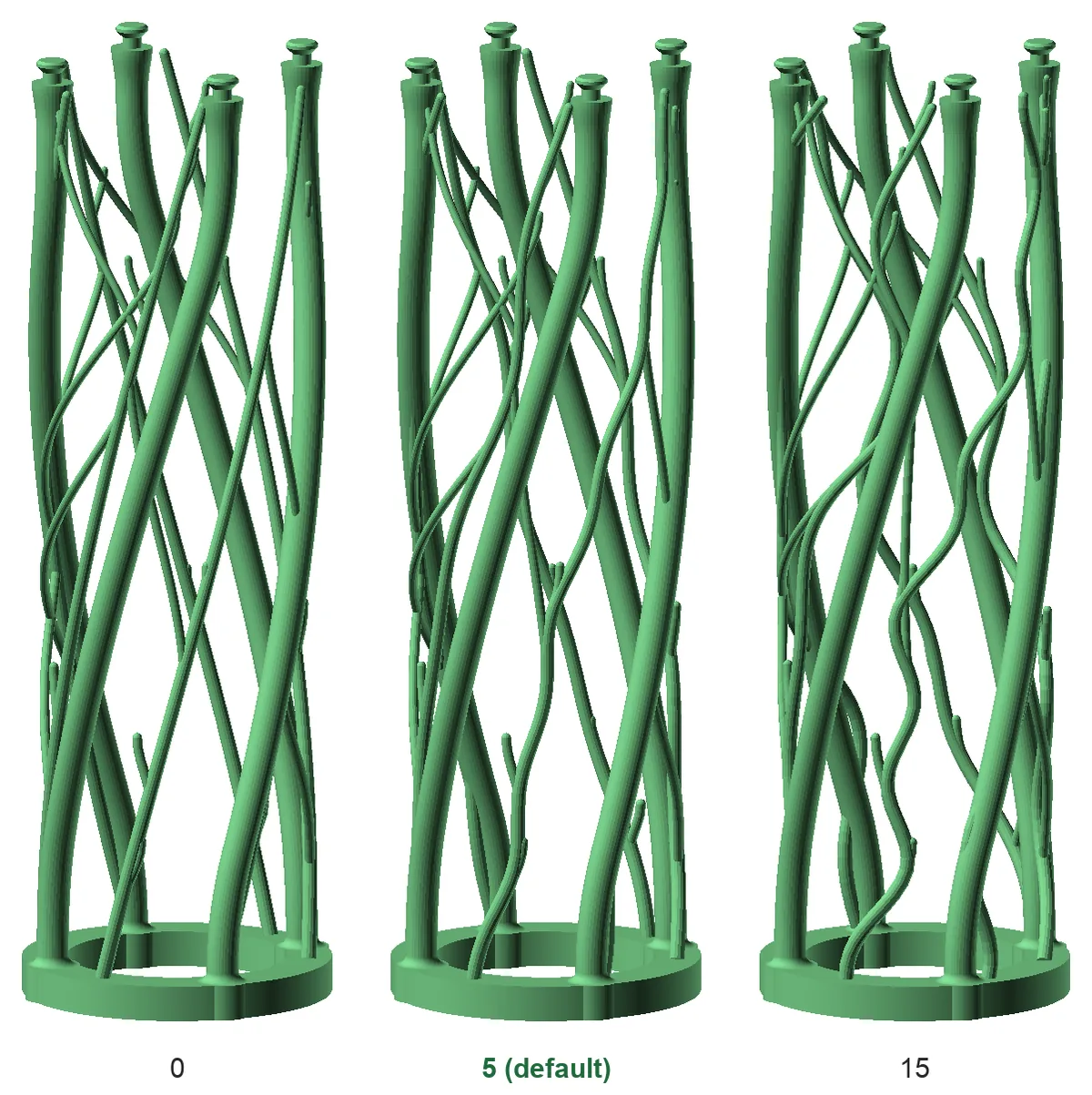
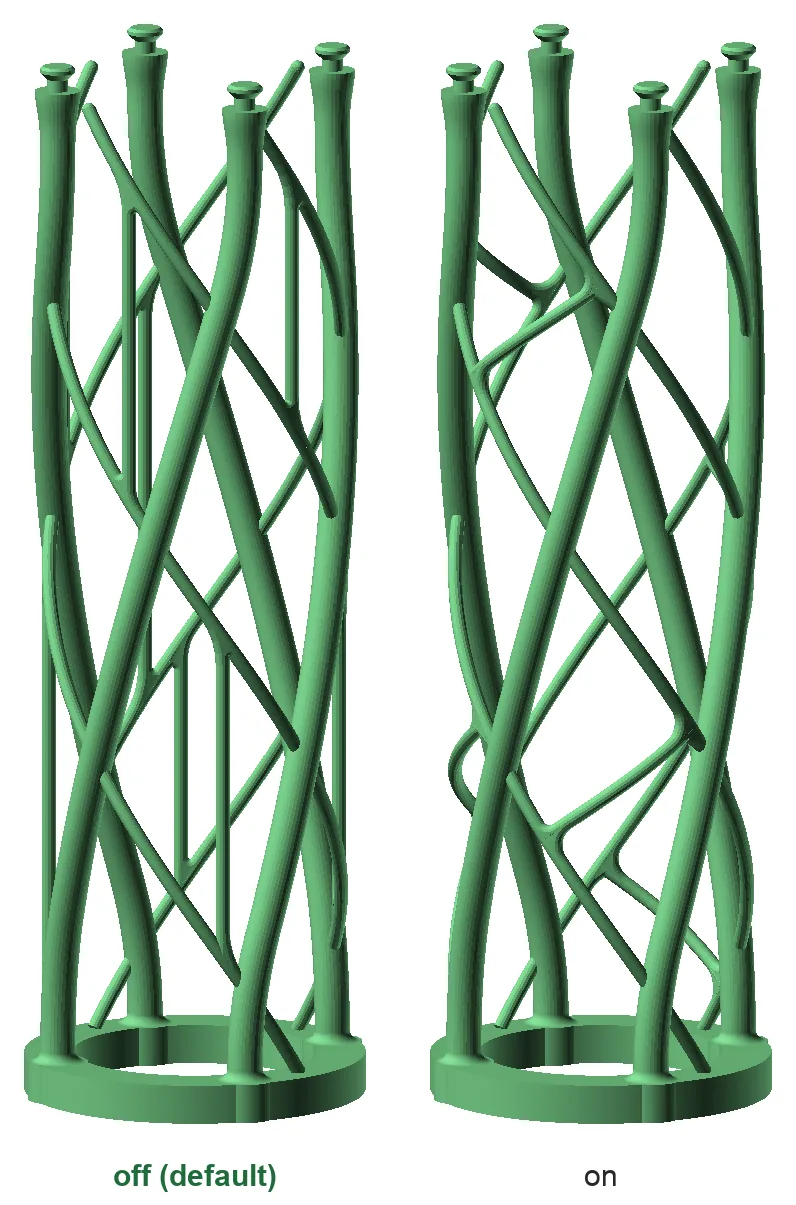
Branching. How often the vines branch: to a neighbouring vine or into a short tendril.
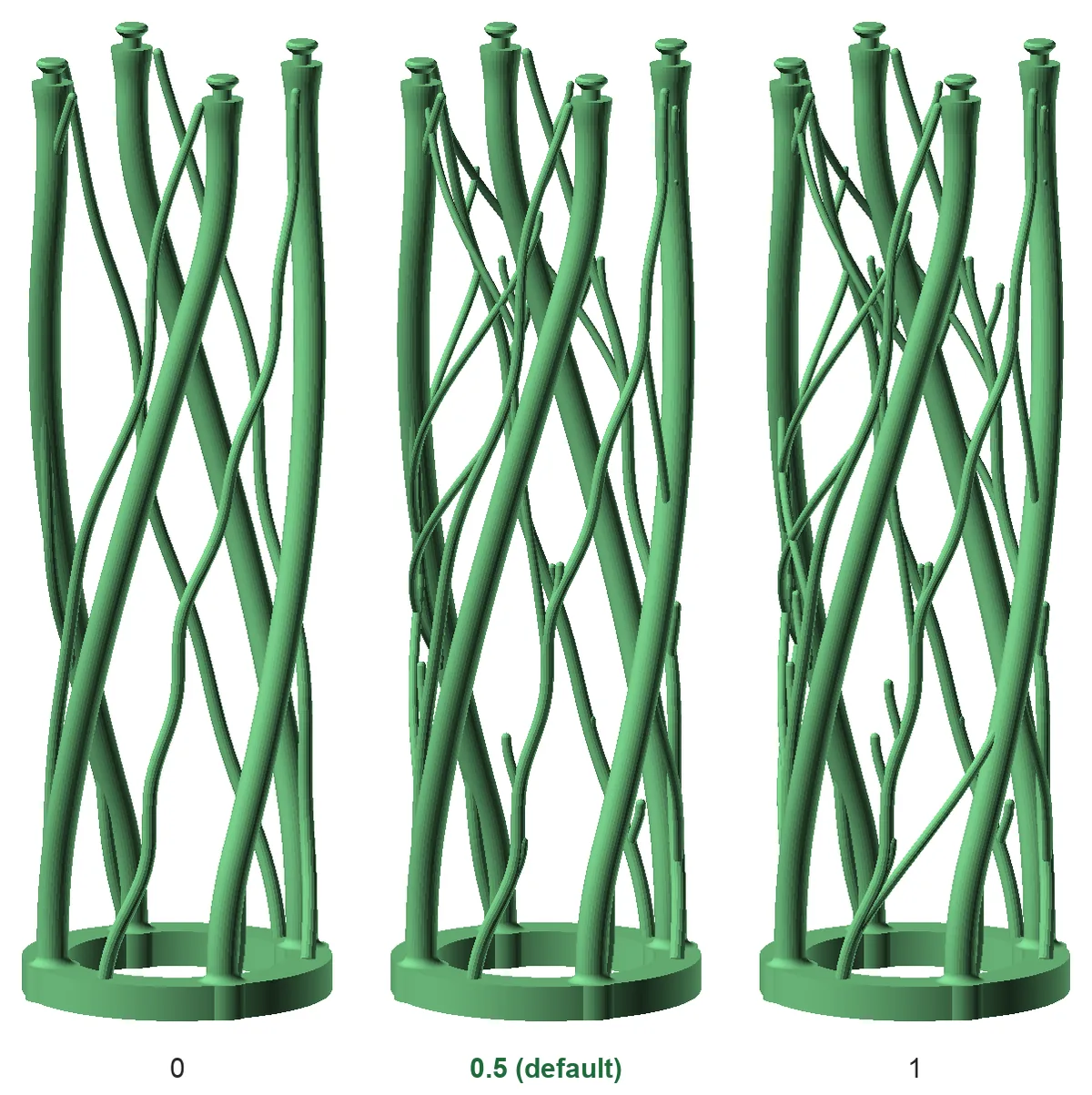
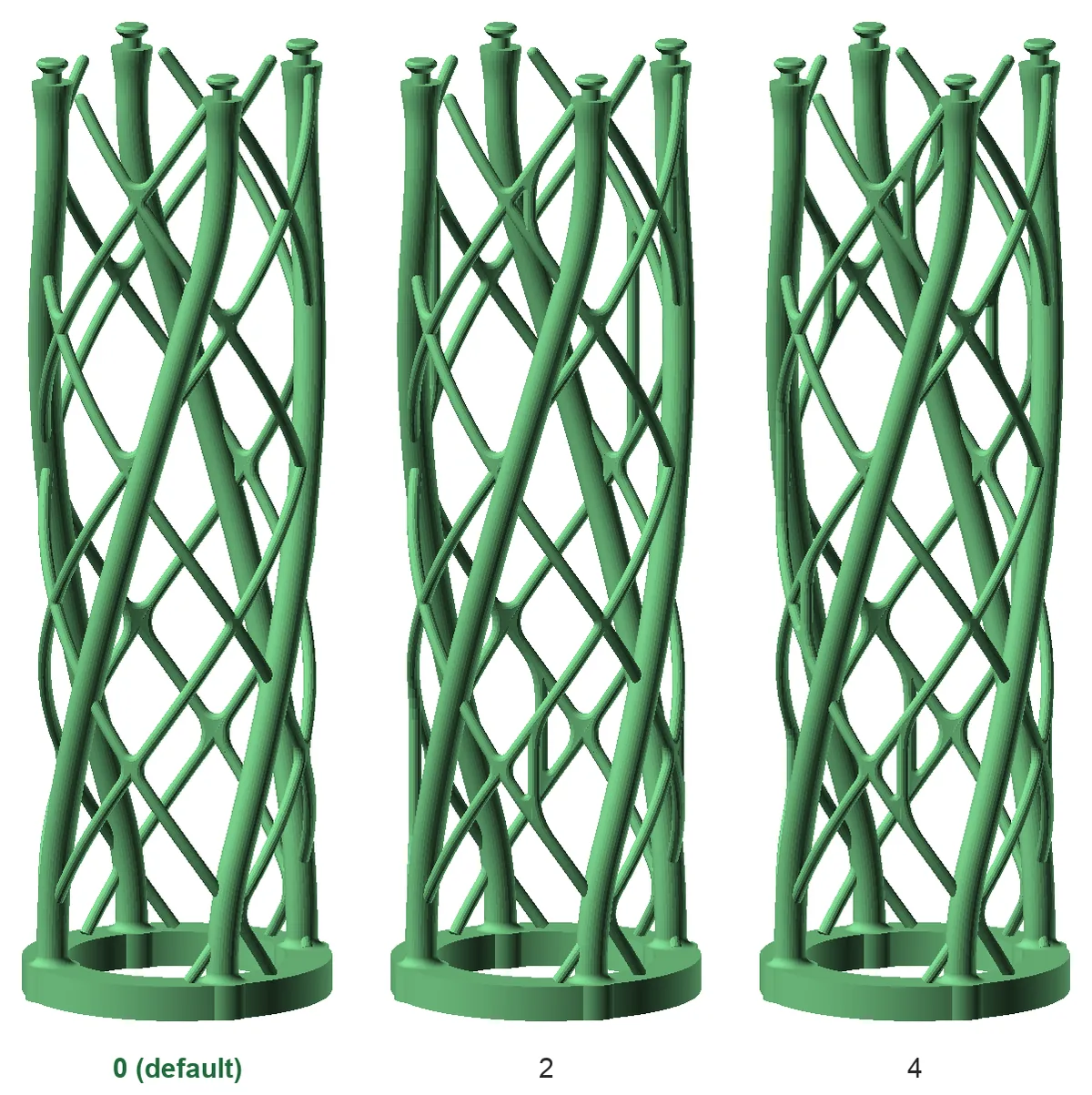
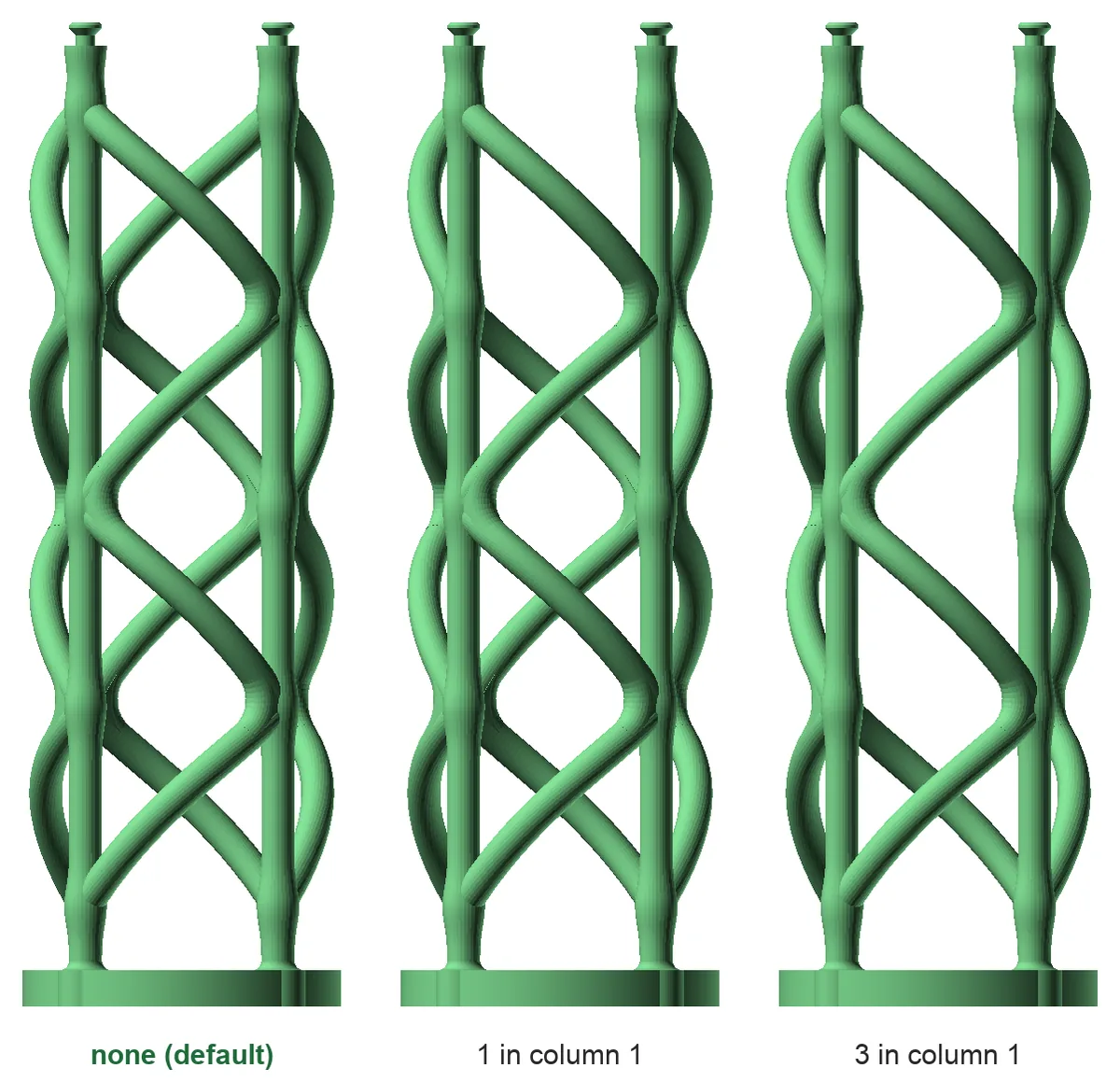
Omit bottom. Struts to leave out at the bottom of each column, for columns 1 to 8. A column is the stretch between two neighbouring poles; column 1 has the watering pipe, and the others follow anticlockwise seen from above.
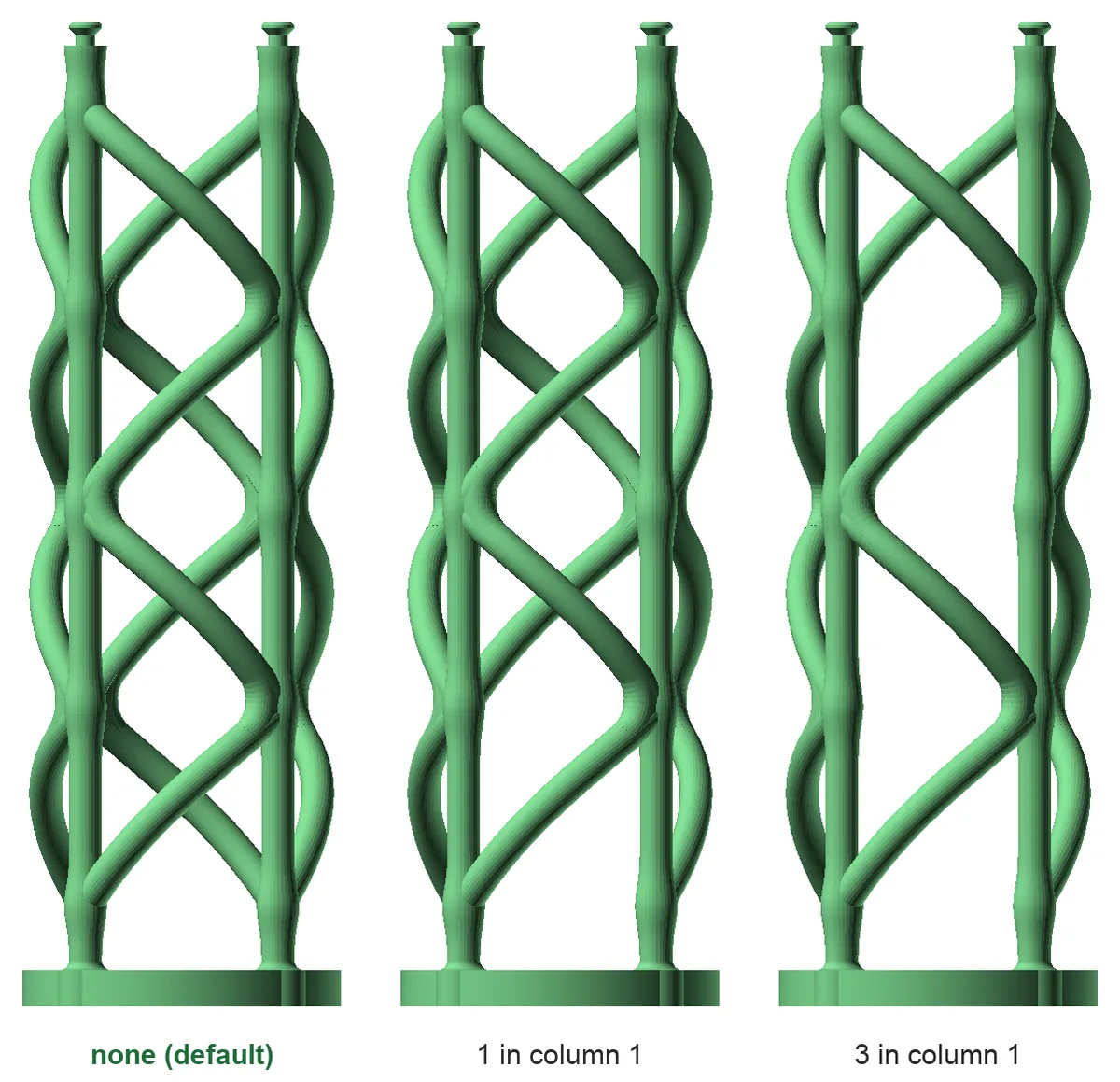
Omit top. Struts to leave out at the top of each column, for columns 1 to 8.
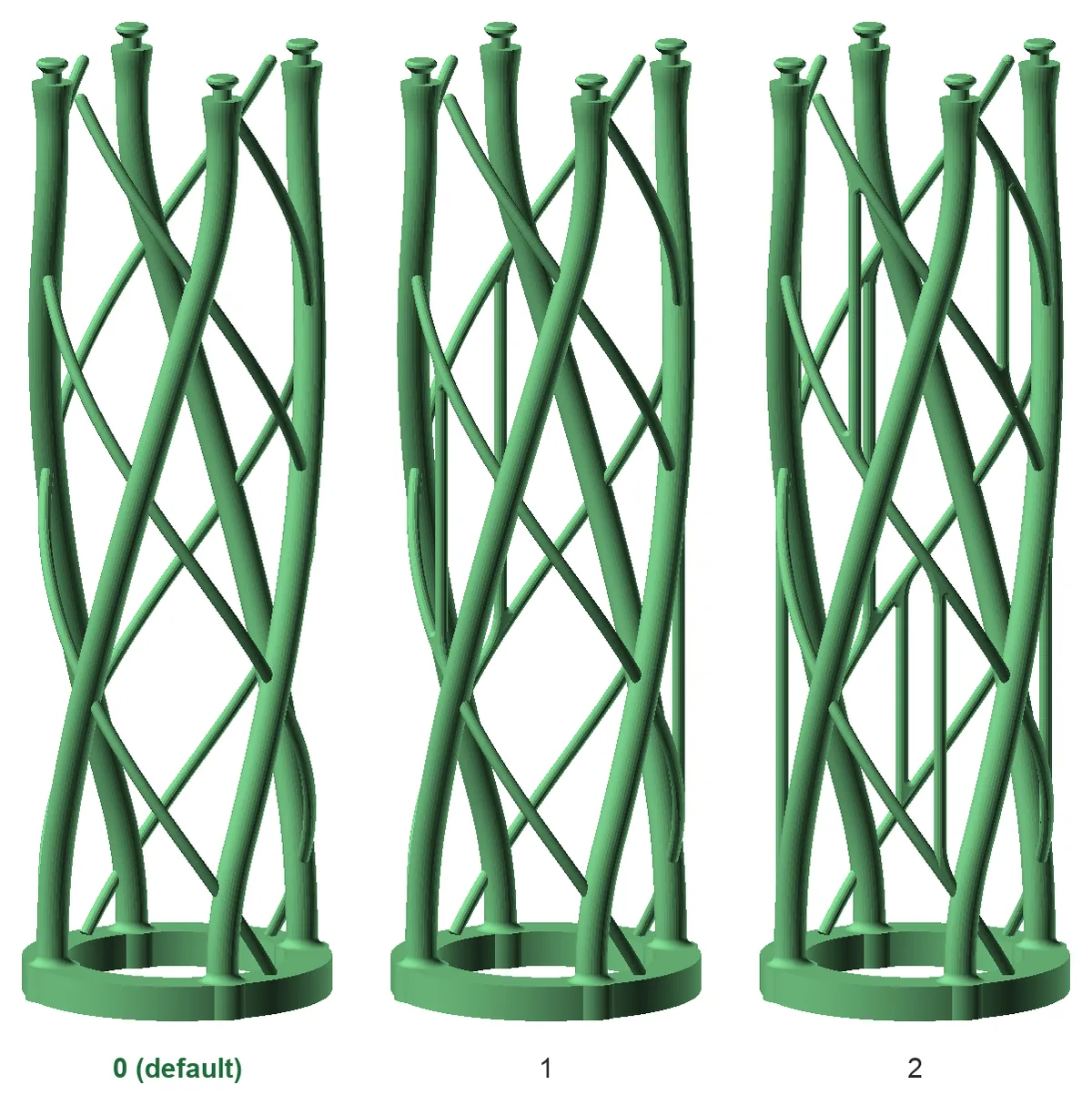
Close columns. Close each column with a thin wall on the inside of its struts or ribs, from the ring to the shoulders, for columns 1 to 8. Column 1 has the watering pipe, and the others follow anticlockwise seen from above.
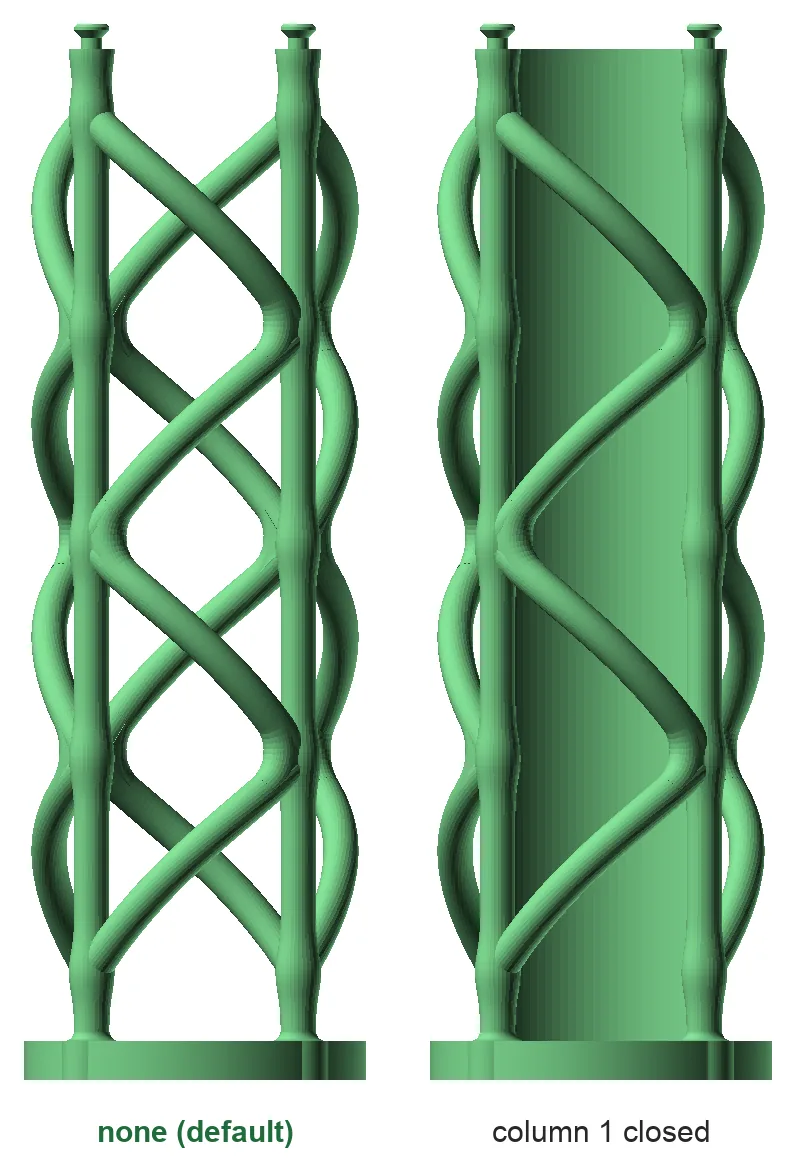
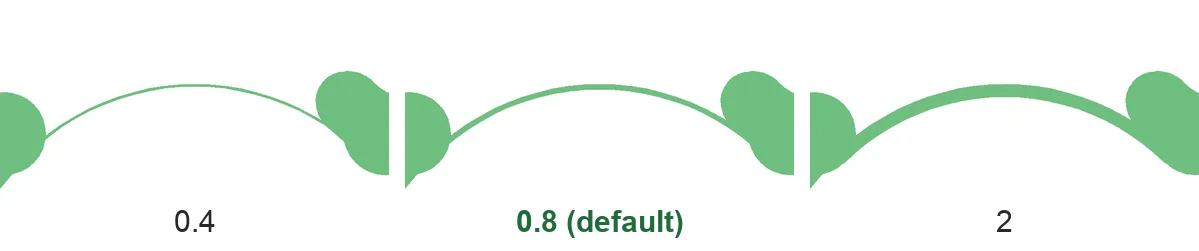
Column wall. Thickness of the walls that close columns.
Ring shape. Shape of the ring: round; a polygon with a corner at each pole, a triangle for 3 poles, a square for 4 and so on; or a D, the circle with a straight side, a half circle at most; the struts or the web follow it.
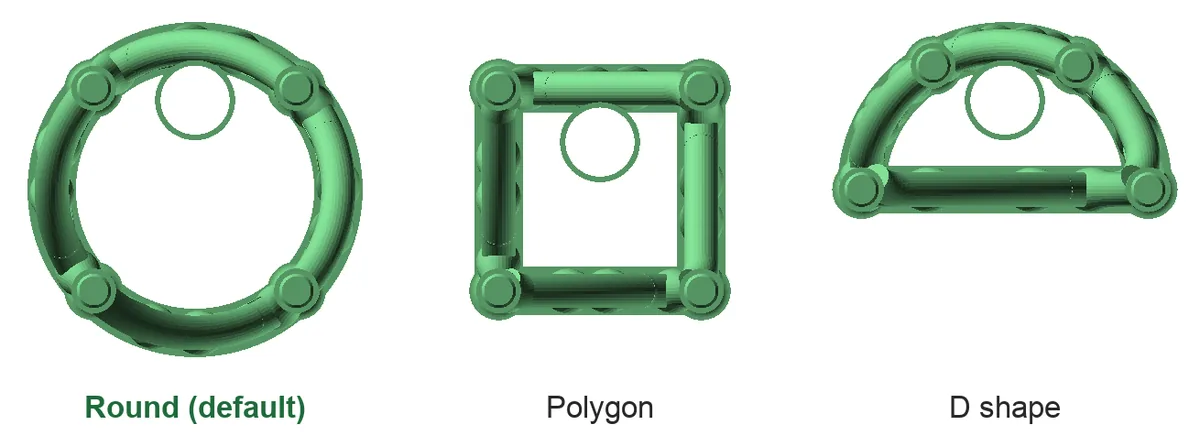
Flat side. How far a D ring's straight side lies from the centre, as a share of the pole circle's radius: 0 for a half circle, more for less cut off.
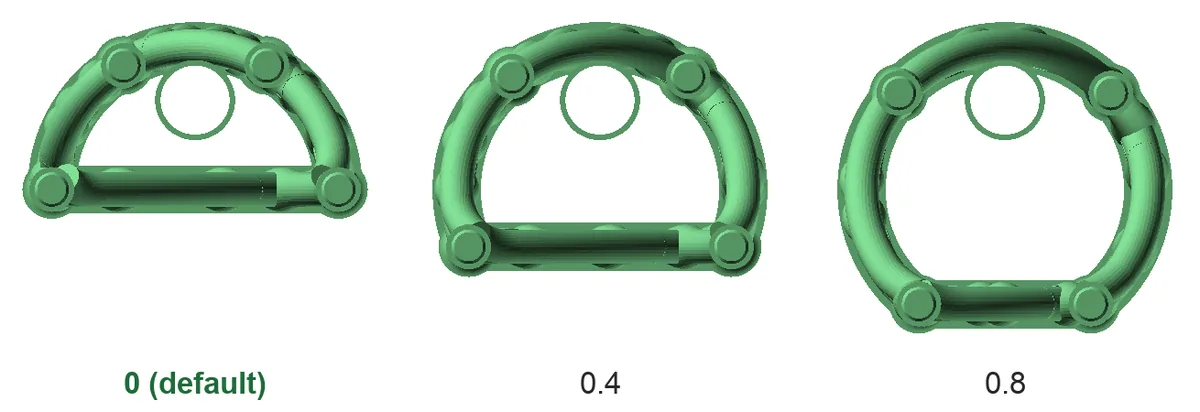
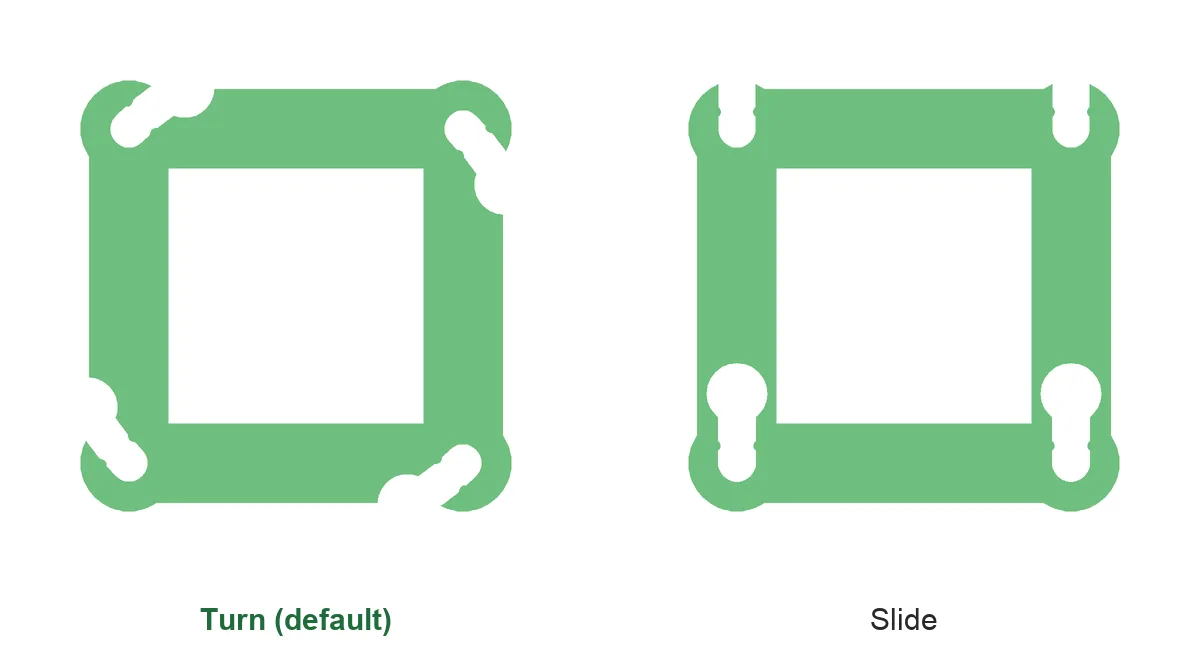
Bayonet. How the moss pole above locks on: turned round the centre (on a polygon ring the curved slots run out of its straight sides, open along their outer side), or, on a polygon ring, slid along the side clockwise of the watering pipe's, towards the pipe's side, which keeps the start of the slide clear of the pipe and the moss poles square to each other; on the pipe's side the slots run out through the corners, open at their ends.
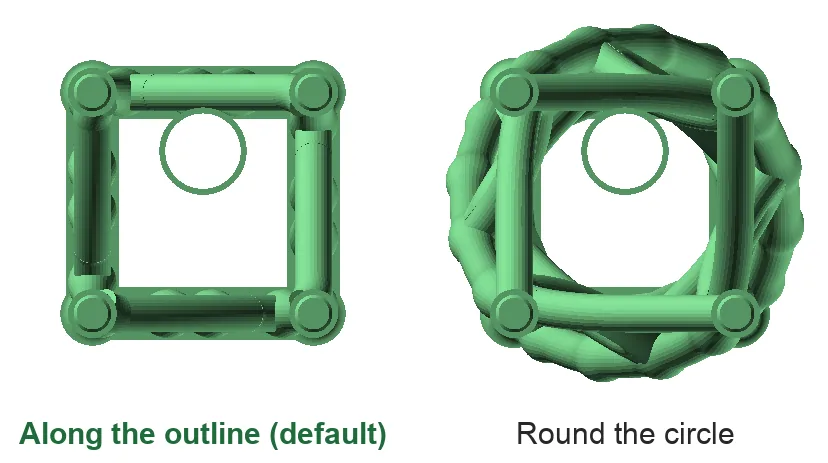
Polygon twist. How the poles twist on a polygon ring: along its outline, so that seen from above they and the struts stay within the ring; or round the pole circle, with the struts on flat faces from pole to pole that turn with them.
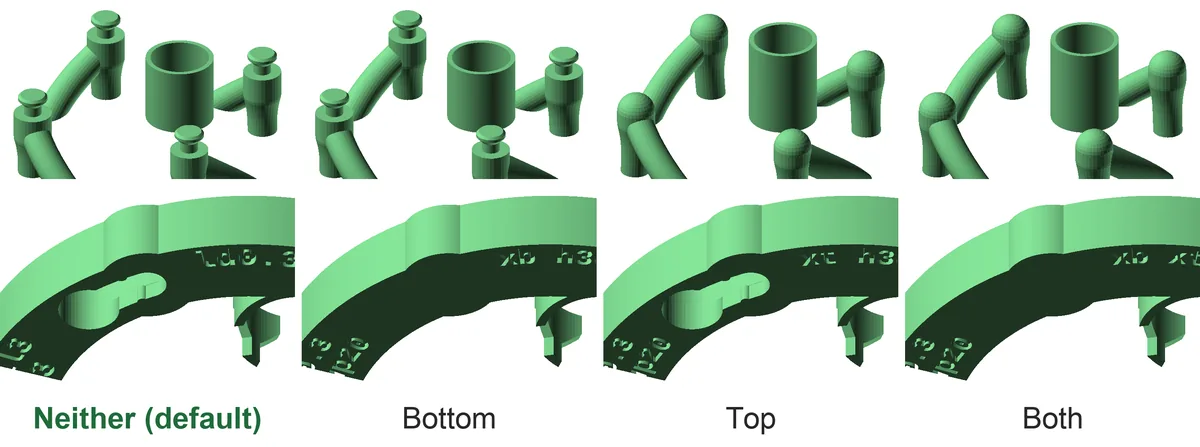
Bayonet off. Leave out the bayonet at an end: the keyholes in the ring at the bottom, for a moss pole that stands on the pot floor; the necks and heads at the top, for the topmost moss pole, whose poles then reach the full height; or both, for one that stands alone.
Ring fillet. Fillet radius where the poles meet the ring.
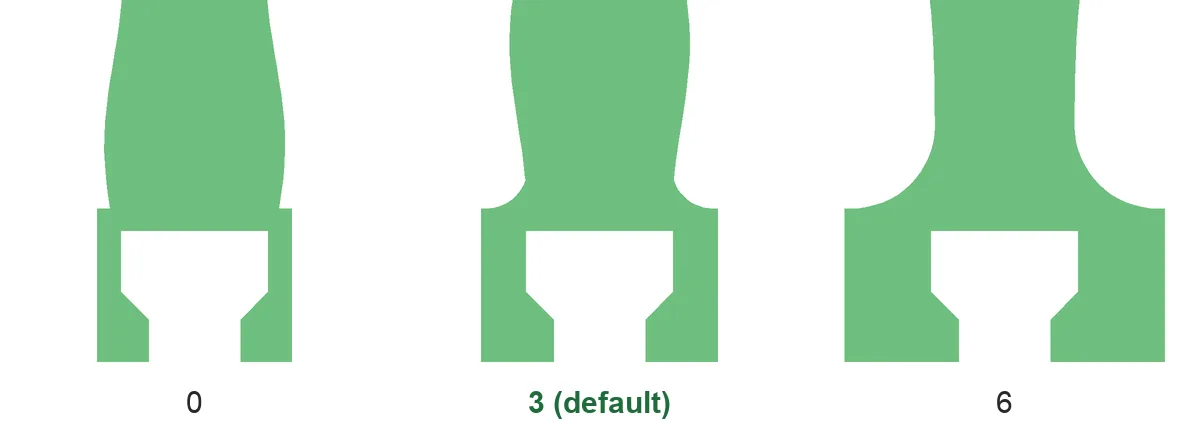
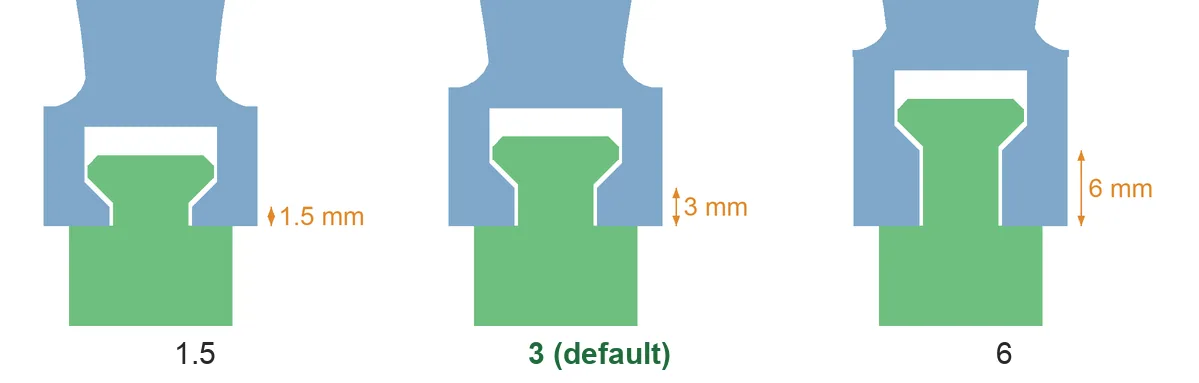
Lock lip. Thickness of the ring's lip, held between the shoulders and heads below.
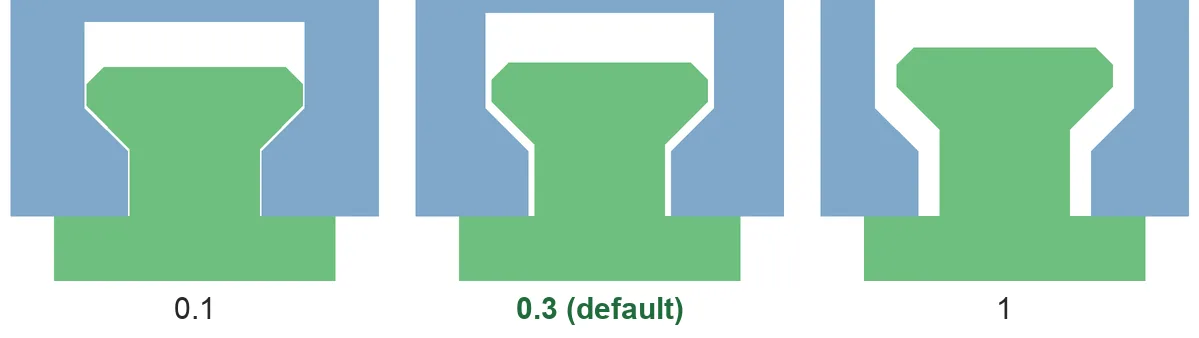
Lock clearance. Play around the necks and heads in the keyholes.
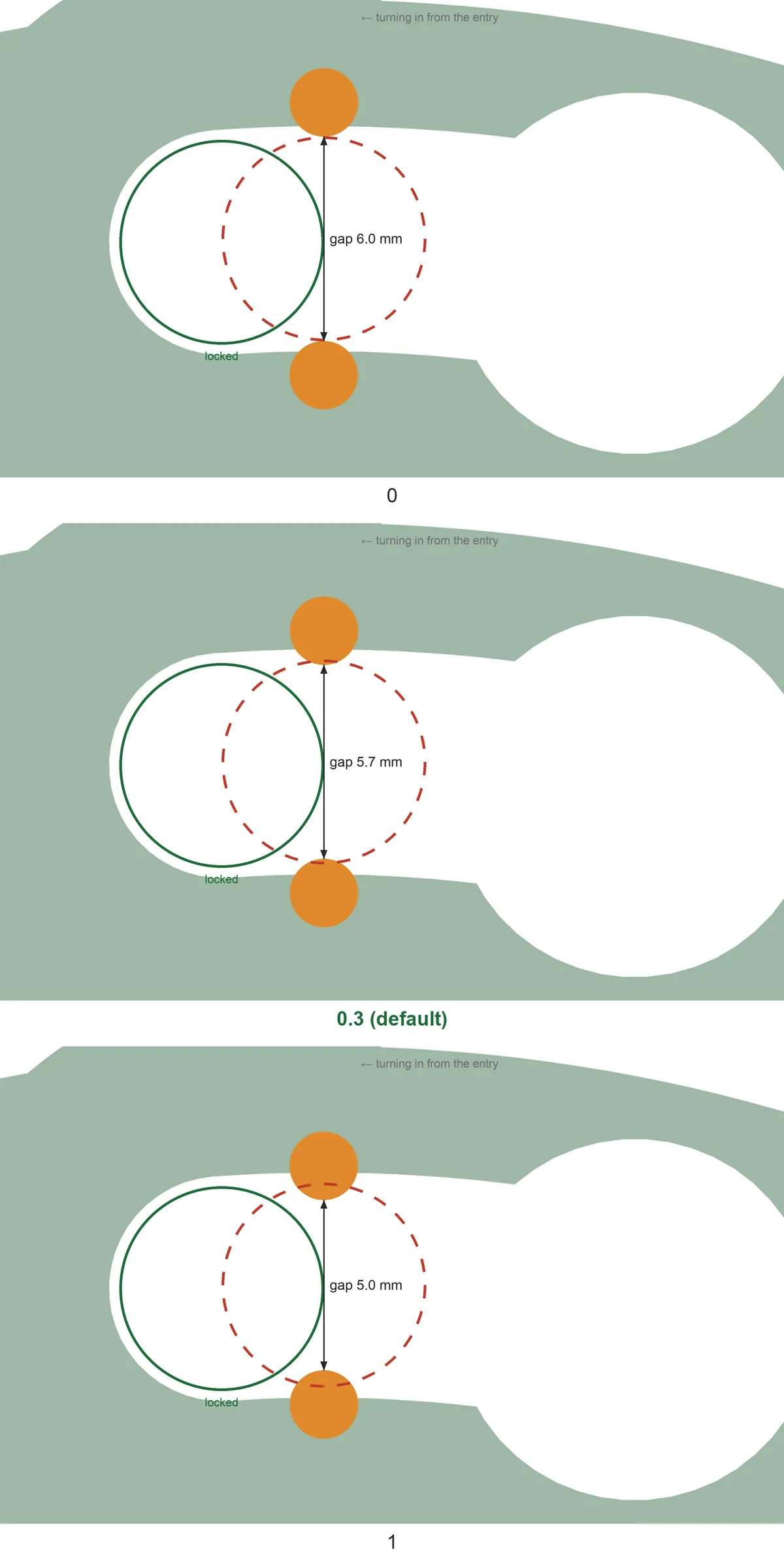
Lock detent. How much narrower than a neck the slot gets at the detent.
Watering pipe. Build the watering pipe.
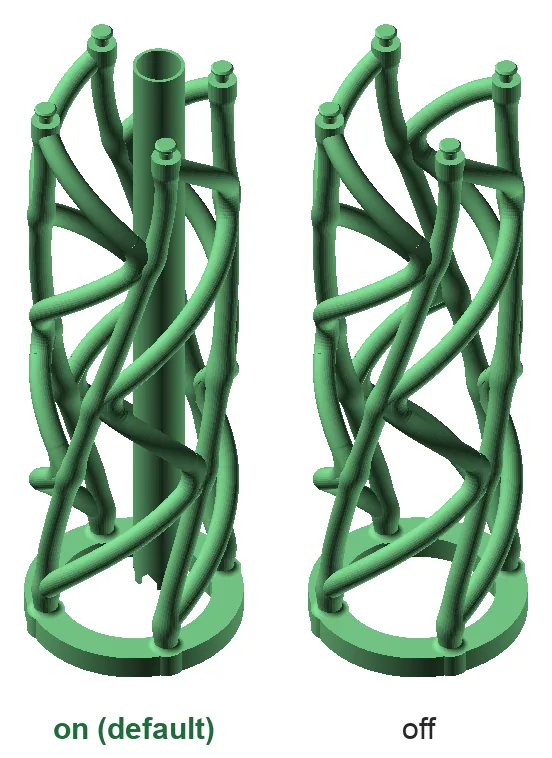
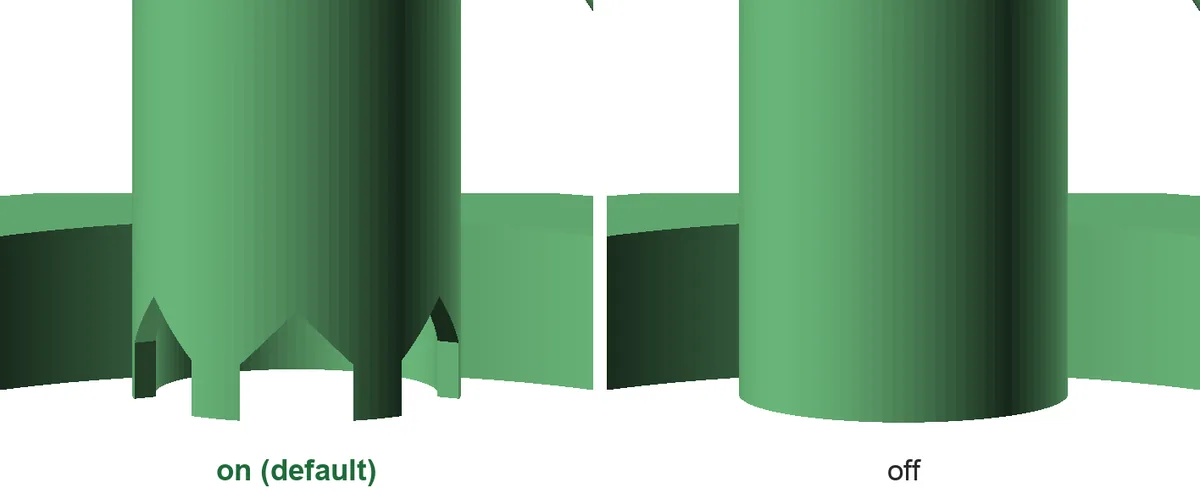
Pipe outlets. Openings at the foot of the pipe, to let the water out into the soil.
Water pipe. Inner diameter of the watering pipe.